Explore Upcoming Workshops Near You and Ignite Your Passion for Innovation. Reserve a Seat today!

Parenting Through Transitions 2
Build a future with Moonpreneur
DEVELOP TECHNICAL, SOFT, &
ENTREPRENEURIAL SKILLS
AGE 7-15 YEARS
RESERVE YOUR FREE WORKSHOP
Back to blog Parenting

Parenting Through Transitions: Supporting Kids During Life Changes

The reality is that most of us communicate the same way that we grew up. That communication style becomes our normal way of dealing with issues, our blueprint for communication. It’s what we know and pass on to our own children. We either become our childhood or we make a conscious choice to change it. […]

Nilima June 13, 2024 7 min read

Parenting Through Transitions: Supporting Kids During Life Changes

|

The reality is that most of us communicate the same way that we grew up. That communication style becomes our normal way of dealing with issues, our blueprint for communication. It’s what we know and pass on to our own children. We either become our childhood or we make a conscious choice to change it.

Kristen Crockett

Update: This article was last updated on 22nd October 2024 to reflect the accuracy and up-to-date information on the page.

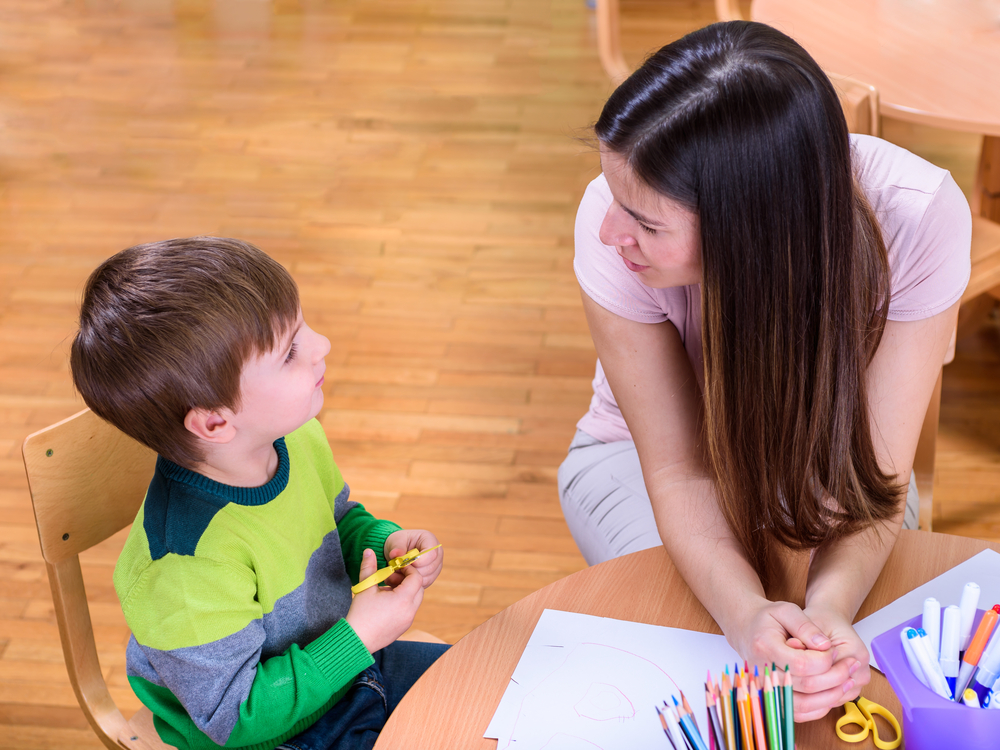
Life is full of changes, and as parents, helping their kids through these changes is important. Whether we move to a new home, start a new school, or have changes in our family, here are simple ways to help our children:

Talk Together

Talk Together

  • Share what’s happening in a way that’s easy for them to understand.
  • Use simple words and be ready to answer their questions.
  • Let them know it’s okay to feel different emotions, and you’re there to listen.

                           ______๑♡⁠๑______

Keep a Routine

  • Kids like routines because they make life predictable.
  • During changes, keep a consistent routine with familiar activities like bedtime stories or family dinners.
  • It helps create a sense of stability during uncertain times.

                      ______๑♡⁠๑______

Keep A Routine

Share Your Feelings

Share Your Feelings

  • Tell your kids it’s okay for grown-ups to have feelings too.
  • Share your emotions with them and show that expressing feelings is normal.
  • This helps them understand that everyone goes through ups and downs, and it’s okay to talk about it.

                          ______๑♡⁠๑______

Decide Together

  • When you can, let your children help decide things during the changes.
  • It could be choosing colors for their new room or deciding on a family activity.
  • It gives them a sense of control and helps them feel more connected to the changes.

                         ______๑♡⁠๑______

Decide Together

Keep memories

Keep Memories

  • Change doesn’t mean forgetting the past.
  • Reminisce about good times and create a memory box together.
  • Fill it with pictures, drawings, or small items that remind you of happy moments.

                        ______๑♡⁠๑______

Healthy Parenting

Find Help

  • Changes can be hard for everyone. Seek support from friends, family, or a support group.
  • When kids see adults asking for help, it shows it’s okay to ask for support when needed.

                         ______๑♡⁠๑______

Find Help

Stay Positive and Be Patient

Stay Positive And Be Patient 1

  • Even when things are tough, try to stay positive.
  • Highlight the good parts of the changes and express hope for the future.
  • A positive attitude can help your kids see that change can bring new opportunities.
  • Getting used to change takes time, and every child reacts differently.
  • Be patient with them and with yourself.
  • Understand that it’s normal for there to be both good and tough days

                             ______๑♡⁠๑______

Embrace Flexibility

  • Let your kids know that it’s okay to adjust plans when things change.
  • Teach them that being open to change can be a good thing.
  • This helps them see that sometimes changes bring new opportunities, and flexibility is a valuable skill.
Embrace Flexibility

Encourage Expression through Creativity

 
Encourage Expression through Creativity
  • Invite them to draw, paint, or write about what they’re feeling.
  • Creative activities can make it easier for kids to express emotions they can’t put into words.
  • This helps them process their feelings and find comfort in creative outlets.

Maintain Connections

  • Help your child stay in touch with friends and family during transitions.
  • Regular calls or visits to loved ones can provide a comforting sense of continuity.
  • This shows them that relationships can stay strong, even when other things change.
Maintain Connections

Celebrate Small Wins

Celebrate Small Wins
  • Recognize and celebrate little achievements along the way.
  • It could be as simple as completing a week at a new school or making a new friend.
  • This boosts their confidence and reinforces that progress is something to be proud of.

Discuss Stories of Change

  • Read books or watch shows together that talk about life changes.
  • Look for stories, like those by Patrice Karst, that deal with transitions and emotions.
  • This helps them see that others go through changes too, and it’s normal to feel different emotions.
Discuss Stories of Change

Practice Patience and Empathy

Practice Patience and Empathy
  • Let them know it’s okay to take time to adjust to new situations.
  • Show patience and listen to their feelings without judgment.
  • This teaches them that empathy and patience are important, especially during tough times.

Reading books can bring changes to life. There are special books for kids that can help them when things in their lives are different. Here are some examples.

Recommended reading: Exploring Permissive Parenting in Depth

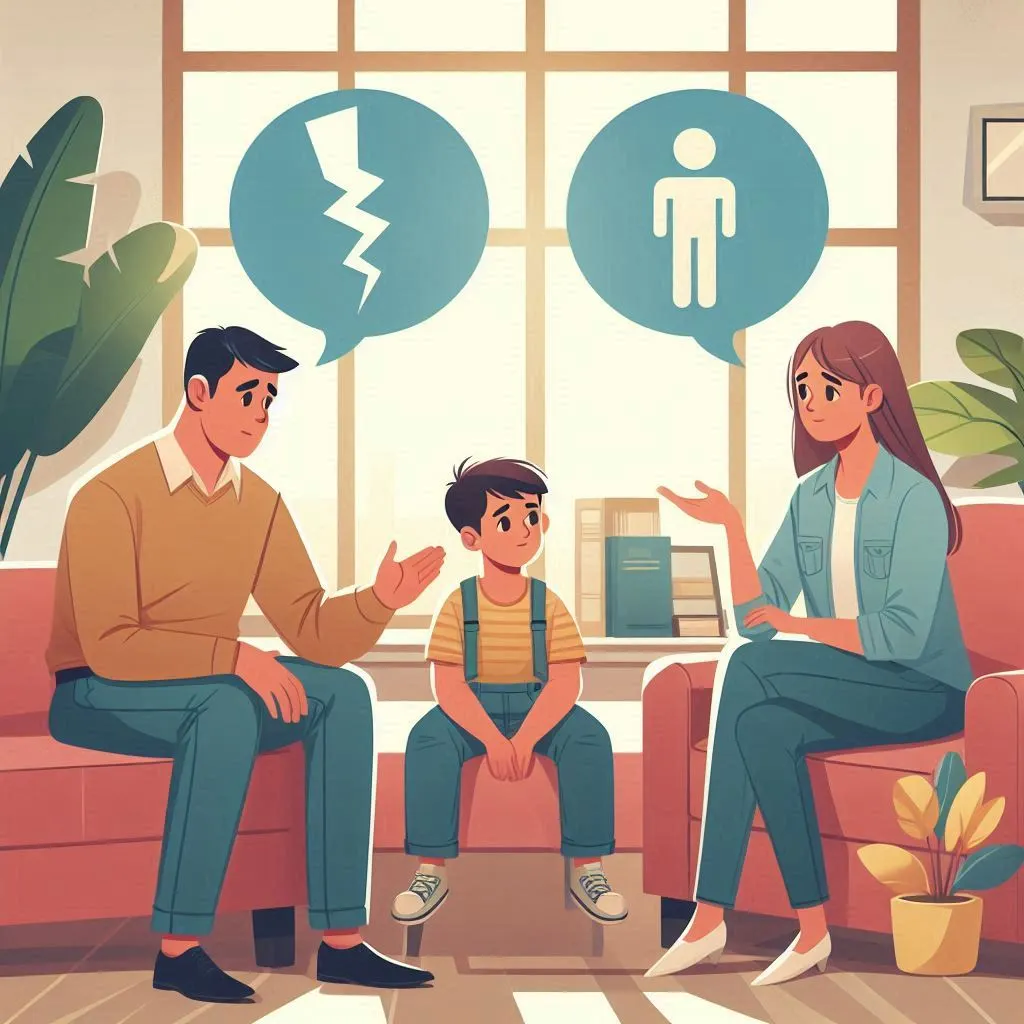
If parents are getting divorced, they can take the help of storybooks to explain it to their children

🫱 “It’s Not Your Fault, Koko Bear” by Vicki Lansky is about a bear who doesn’t want two homes. The book tells kids that their feelings are normal, their parents still love them, and the divorce is not their fault. Parents can also find tips on how to understand and help their kids.

🫱 “Two Homes” by Claire Masurel is about a boy named Alex who has two favorite chairs—one at Dad’s and one at Mom’s. The book shows that Alex feels safe and loved no matter where he is.

🫱 “The Invisible String” by Patrice Karst is about the invisible bonds that connect us to loved ones, no matter where they are.

Recommended reading: Co-Parenting Counseling: Examples & Benefits

If there’s a new baby in the family:

A lot of firstborns find it hard to accept their siblings. Many books can help in tackling the situation.

If There I A New Born Baby At Home

⏺ “You Were the First” by Patricia McLachlan celebrates the firstborn child and reassures them that they will always be special.

⏺ “Babies Don’t Eat Pizza” by Dianne Danzig is a funny book that answers big siblings’ questions about the new baby.

⏺ “One Special Day” by Lola M. Schaefer is about becoming an older sibling and is great for adoptive and foster families, too.

If you’re moving to a new place, it can be stressful for your kids. Some authors have tried to offer help through writing to manage this situation:

🔔”Moving to the Neighborhood (Daniel Tiger’s Neighborhood)” by Jason Fruchter is about Daniel Tiger getting a new neighbor. It shows that moving can be scary at first, but things get better.

🔔 “A Kiss Goodbye” by Audrey Penn is about Chester the raccoon moving to a new home. It helps kids understand saying goodbye and embracing new things.

🔔”My Very Exciting, Sorta Scary Big Move” by Lori Attanasio Woodring is a story and workbook that helps kids ages 5-11 understand moving, make new friends, and more.

These books show your child that they’re not alone in going through changes. They give positive words, and helpful advice, and let kids know everything will eventually fall in place

Recommended reading: The Power of Positive Parenting: How to Build a Strong Parent-Child Bond

Conclusion

Parenting through changes is a shared journey. You can guide your children through life changes by talking openly, keeping routines, letting kids decide, and staying positive.

Remember, the key is to be there for them, providing a steady and loving presence as they face the twists and turns of life. Together, you’ll not only get through the changes but also become stronger as a family.

Looking for a comprehensive parenting guide to ensure you are on the right track? Explore a wealth of parenting wisdom and educational insights in Moonpreneur’s blogs. Additionally, you can join our programs that nurture the next generation of innovators. Book a free trial now!

Recommended reading: Top 11 Parenting Mistakes That Can Adversely Impact Your Child’s Growth

Nilima

Nilima

Nilima, armed with a keyboard and creativity, transforms ideas into engaging articles that captivate readers. From blog posts to social media content, Nilima's expertise lies in delivering concise yet impactful messages that leave a lasting impression. She's the go-to wordsmith for turning concepts into captivating written gems.
Subscribe
Notify of
guest

2 Comments
Oldest
Newest Most Voted
Inline Feedbacks
View all comments
elena
elena
2 years ago

How do I stop worrying so much about my kids?

Olivia
Olivia
2 years ago
Reply to  elena

Focus on their strengths, establish trust, set boundaries, practice self-care, and accept that some worry is natural and inevitable.

RELATED ARTICLES