Attend our in-person Robotics & Math




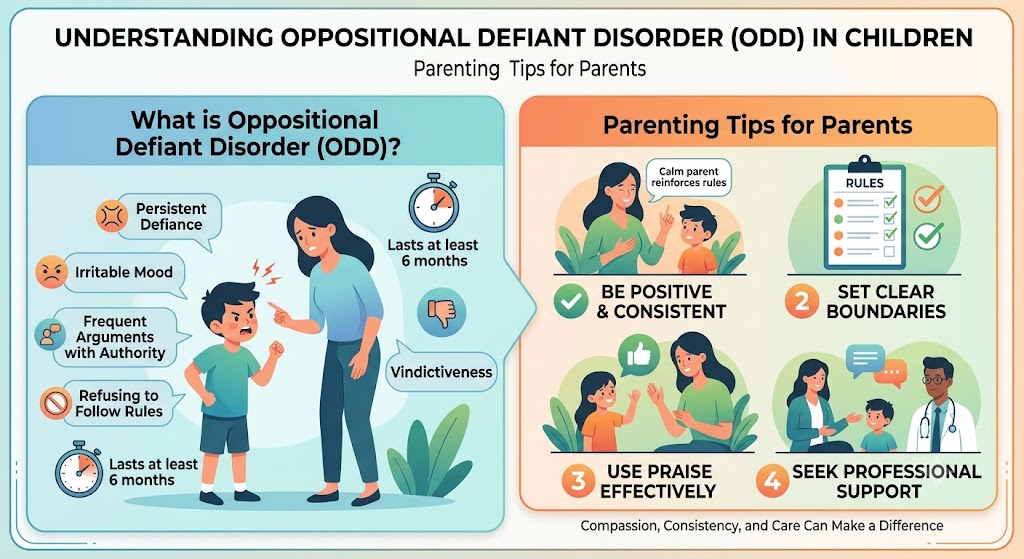
Parenting is a challenge, but some children show behaviors that go beyond the occasional tantrum or stubbornness. Sometimes, frequent arguments, defiance, anger, and refusal to follow instructions are signs of a behavioral condition known as oppositional defiant disorder (ODD). Recognizing the condition early can help parents, caregivers, and educators to provide appropriate support and to enhance a child’s emotional and social development.
In this guide, we’ll define oppositional defiant disorder, discuss common oppositional defiant disorder symptoms, explore oppositional defiant disorder treatments, and share practical parenting tips to help children thrive.
What Is Oppositional Defiant Disorder?
Oppositional Defiant Disorder (ODD) is a disorder of children’s behavior characterized by a constant angry or spiteful mood, a tendency towards disputing behavior, and noncompliance with demands made by authority figures, i.e.teachers. These behaviors appear more often and with greater persistence than is typical for children of this age and development stage.
ODD isn’t just “acting out” in children. Their emotional reactions and responses can interfere with family relationships, schoolwork, friendships, and daily activities.
ODD typically starts in preschool or early elementary school, but it can also arise later in childhood. With early diagnosis and proper intervention, many children learn more adaptive methods to handle their emotions and behavior.
Signs and Oppositional Defiant Disorder Symptoms
Every child has arguments and breaks rules sometimes. However, children with ODD have these behaviors regularly for at least 6 months and they often cause big problems at home and school.
Common symptoms of oppositional defiant disorder are:
- Tantrums now and again
- Constantly arguing with the adults
- Disobedience of rules or requests
- Irritate people deliberately
- Accusing others of their mistakes
- Getting annoyed or irritated easily
- Angry or resentful conduct
- Using offensive or disrespectful language
- An act of vengeance or spite
- Difficulty controlling feelings
The severity of the symptoms varies from child to child. There are children who may show their behavior issues solely when they are at home while there are other children who can have problems and difficulties in various places like school etc.
What are the factors that lead to Oppositional Defiant Disorder?
Professionals are of the opinion that there is no single known cause of oppositional defiant disorder; instead, a combination of biological, psychological, and environmental causes can lead to ODD.
The possible contributing factors include:
Genetics
Children who have family members suffering from behavioral disorders, ADHD, anxiety, or mood disorders stand a higher chance of suffering from ODD.
Brain Development
The behavioral distinction may be attributed to differences in brain areas involved in emotional regulation, decision-making, and impulse control.
Parenting Issues
Parents practicing inconsistent discipline methods, strict punishment, neglect, and frequent family quarrels can lead to conduct disorder, but these not the only factors leading to ODD.
Life challenges
Different life problems like a significant change in life, trauma, bullying, parental divorce, can lead to mental disorders and inappropriate behavior.
Who is most likely to have ODD?
Some children are more likely to develop oppositional defiant disorder than others. These include children who:
- Have ADHD
- Feel stressed or down
- Learning difficulties
- Live in high-conflict family situations
- Struggle to regulate emotions
- Have erratic supervision or schedules.
It is important to keep in mind: These factors increase the risk for developing ODD but do not cause a child to develop ODD.
How Is ODD Diagnosed?
There is no blood test or brain scan to diagnose oppositional defiant disorder. Instead, a healthcare professional assesses a child's behavior through interviews, observations, developmental history, and reports from parents and teachers.
The diagnosis typically consists of:
- Length of symptoms
- How often a behavior occurs
- Effect on school and family life
- A.S. Emotional development
- Co-occurring mental health conditions
Because ODD frequently co-occurs with ADHD, anxiety disorders, depression or learning disorders, a complete evaluation is essential.
Oppositional Defiant Disorder Treatments
The fortunate thing is there are successful therapies available for people suffering from opposition defiant disorder. Therapies’ aim is to help manage feelings, enhance family interaction, and assist kids in creating helpful coping skills for an appropriate response to difficult emotions.
The most effective forms of therapy for oppositional defiant disorder include:
Training for Parent Management
The parents will learn how discipline works positively, ways to communicate effectively and how to encourage proper behavior while minimizing conflict.
Behavioral Therapy
Behavioral therapy specializes in showing children how to get emotions controlled, such as frustration or anger, and how to deal with people socially.
Cognitive Behavioral Therapy (CBT)
CBT enables children to focus on their negative thoughts and replace them with better actions or emotional reactions.
Family Therapy
Family therapy enhances communication between family members to ensure they stay in harmony.
Support in the School Environment
Teachers and counselors may create special behavioral plans and behaviors, which will ensure kids learn and develop properly.
Medication
Although there is no certainty that there exists a medicine specifically for ODD, if there is a child with ADHD or other disorders, medication can help deal with this issue.
Advice for the Parenting of Children Who Have ODD
Parenting a child diagnosed with oppositional defiant disorder can be a difficult task; however, sticking to the approaches that are effective can really help.
Stay Cool When Things Get Heated
It is advisable to avoid showing any strong feelings when talking to this child because children with this disorder can be very sensitive to the emotions experienced by their parents.
Clarify What Your Kid is Expected to Do
You should set some basic house rules and explain the importance of those. This is vital because it will help your child understand the need to follow certain rules in the future.
Praise What is Good
One should always notice even the smallest good actions of their child and praise them. Children prefer being praised instead of being scolded.
Know When to Fight
One does not have to fight every battle. It is necessary to choose the most important issues and fight when necessary.
Keep the Same Standards
It is very important to keep the same rules for all caregivers.
Create a Routine
Routines help to reduce frustration in children suffering from this disorder.
Teach Your Child to Control Their Emotions
Teach your kid how to recognize their feelings and control them.
Promote a Healthy Lifestyle
A normal lifestyle will contribute to a better emotional state of your child.
Keep in Touch With Teachers
Follow up with your child’s school and keep the communication open.
Seek professional help early
If problem behaviors continue or interfere with daily functioning, consult a pediatrician or trained mental health professional for help. Getting help early can lead to better outcomes.
Is ODD something that children can grow out of?
Some children do very well with early intervention, supportive parenting and professional treatment. But without proper support, ODD can persist into adolescence and increase the risk of academic problems, relationship problems, or other behavioral disorders.
The sooner families get on the right treatments for oppositional defiant disorder, the better the chances are that they will help children learn positive emotional and behavioral skills.
Daily Support for Your Child
Children with oppositional defiant disorder are often feeling strong feelings that they don’t know how to manage. What they need is patience, structure, encouragement, and ongoing support—not punishment.
Parents should be aware that progress is usually slow Celebrating small wins, keeping expectations realistic, and working with health professionals may have a lasting effect on a child's development
Summary
The first step in helping kids develop healthier behaviors and stronger relationships is understanding oppositional defiant disorder. Recognizing oppositional defiant disorder symptoms early allows families to seek support early before behaviors escalate. Fortunately, evidence-based treatments for ODD, coupled with patient, consistent parenting, can do much to improve a child’s emotional health and quality of life.
Raising a child with ODD can be challenging, but with compassion, positive communication, and professional help, children can build confidence, strengthen family ties and thrive at home and in school.
Frequently Asked Questions
What is oppositional defiant disorder?
Oppositional Defiant Disorder (ODD) is a behavioral condition in children characterized by a persistent pattern of angry or irritable mood, argumentative or defiant behavior, and vindictiveness toward authority figures like parents and teachers lasting for at least six months.
How to teach a child with ODD?
Teaching a child with ODD requires clear, predictable routines, setting explicit classroom rules, and avoiding direct power struggles. Emphasizing positive reinforcement for compliance, establishing private cooling-off areas, and maintaining regular communication with parents are essential strategies for success.
What does ODD look like in adults?
In adults, ODD often manifests as a constant feeling of anger or resentment, frequent conflicts with supervisors or coworkers, a tendency to blame others for personal mistakes, and extreme resistance to rules, feedback, or institutional authority.
Do kids with ODD feel remorse?
Yes, children with ODD can and do feel remorse. Unlike conduct disorder, where a lack of empathy or guilt is a core feature, kids with ODD often experience distress or regret over the impact of their behavioral outbursts once they have calmed down emotionally.