


 Attend our in-person Robotics & Math





Update: This article was last updated on 15th May 2024 to reflect the accuracy and up-to-date information on the page.
The parent-child communication has to be clear and impactful because here one of the parties involved is not an adult. I am sure all parents know the importance of communicating with their children, but what many don’t realize is that communication is not always positive. Communication can also be negative, effective, or ineffective. Aaron Goldman aptly said, “Communicate unto the other person that which you would want him to communicate unto you if your positions were reversed.
Recommended reading: Parenting Tips: Don’t Say These 10 Things To Your Child
So, here is the list of 6 communication don’ts for parents that they should avoid when interacting with their children.
1. Nagging and Preaching

Nagging about something will not yield a positive effect. It can backfire. Repeating the same thing will make your child lose interest in what you are saying. Similarly, preaching can be a negative or ineffective way of communicating with your child. To keep the communication effective and positive, tell them what you want to say in short, or instead of nagging or preaching, use a consequence such as a time-out or no playtime for a day.
Recommended reading: Exploring Permissive Parenting in Depth
2. Mocking, Teasing, or Sarcasm
 Parents should avoid mocking or teasing their children if they want to communicate effectively. You don’t want your child to feel belittled by you, out of all the people.
Avoid sarcasm because it completely goes to waste, as many children do not understand sarcasm at a young age. If they do, it hurts their feelings. So, watch your tone while communicating with children.
Recommended reading: Co-Parenting Counseling: Examples & Benefits
3. Criticizing
 As a parent, it is important to remember that you should never, and I mean never, criticize your child, their ideas, thoughts, feelings, etc. Criticizing can result in lowered self-worth, which can have a negative impact if it sets in. Politely reason with them with facts and examples instead of criticizing them.
Recommended reading: 10 Things I Wish I Had Known Before Becoming a Parent
4. Dwelling on the Past
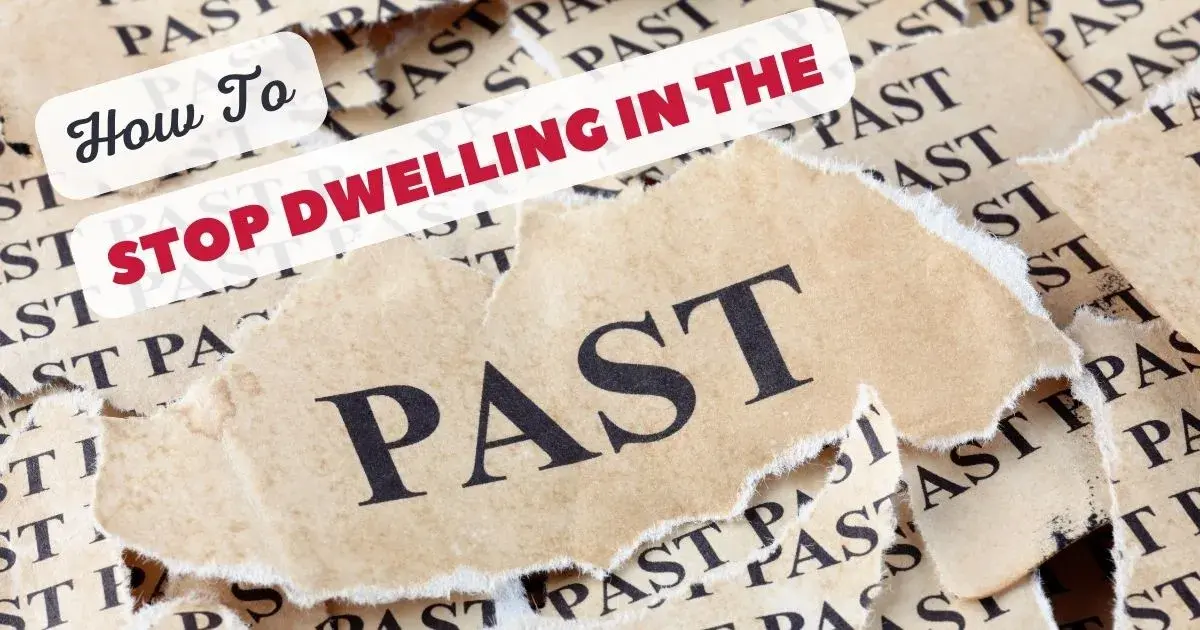
Once an issue has been resolved, ensure that you do not bring it up again. Each time your child makes a mistake, or you want to put your message across, bringing up their old mistakes is not the solution. If anything, it is going to have an adverse effect, as the child may think that whatever they do or however they try to change, the mistakes of their past will always be remembered. It can demotivate them. Let children know that they start afresh after an issue is resolved and never mention it again.
Recommended reading: 50 Open-Ended Questions To Ask Teens And Get Them Talking
5. Interrupting
 When your child is communicating with you, let them finish what they want to say. It is called being polite and should be followed not only with adults but with children as well. Let the child put their message across. You can talk once they are finished. If you keep interrupting when your child is speaking, they will lose the need to come to you and may stop communicating altogether. In Ernest Hemingway’s words, “When people talk, listen completely. Most people never listen.” Nobody wants to be a parent who doesn’t listen to their children.
Recommended reading: The Power of Positive Parenting: How to Build a Strong Parent-Child Bond
6. Using Threats

As a parent, you may think that threats can help you get your child to listen, but that is not true. It may work a few times. However, if you threaten your child frequently, it is going to have a conflicting effect. Using threats towards your child can make them feel helpless and can lead to a feeling of antipathy towards their parents.
Recommended reading: Parenting Hacks for a Stress-Free Morning Routine For Kids
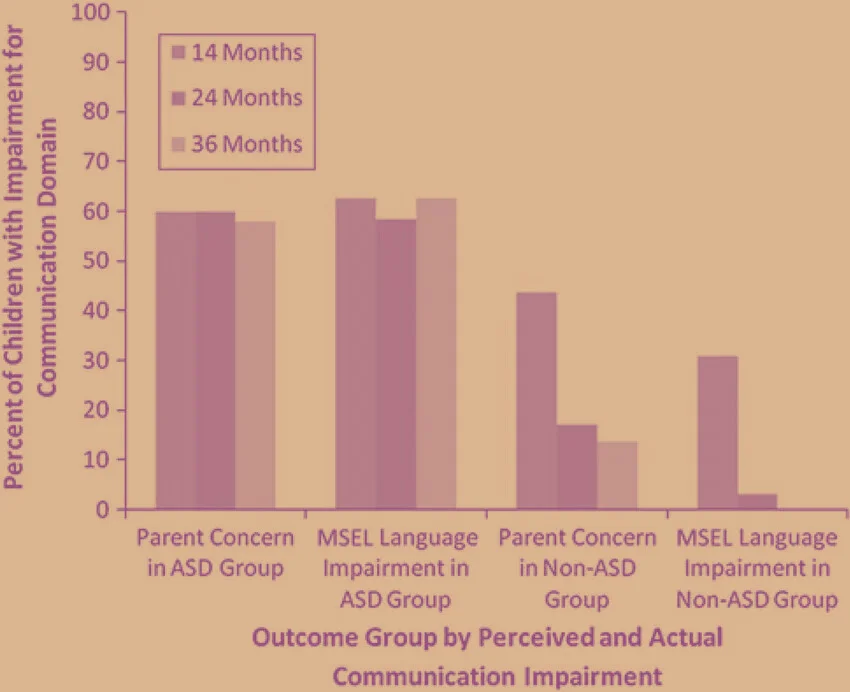 This is a graphical representation of data on the Percentage of parents with concerns about children’s communication functioning provided here.
Recommended reading: Top 11 Parenting Mistakes That Can Adversely Impact Your Child’s Growth
Conclusion:
For parent-child communication, steer clear of these “Communication Don’ts for Parents.” By doing so, parents can create an environment where open dialogue flourishes, understanding deepens, and the family unit thrives. If you don’t pay attention, negative or ineffective communication can make them feel ignored or unwanted, and it can lead to a lot of misunderstandings.
Remember, effective communication is a continual process, and by being mindful of these pitfalls, parents can build lasting connections with their children.
Looking for a comprehensive parenting guide to ensure you are on the right track? Explore a wealth of parenting wisdom and educational insights in Moonpreneur’s blogs. Additionally, you can join our programs that nurture the next generation of innovators. Book a free trial now!














You should never ever blame your kids for anything wrong they do. Blaming them causes emotional damage and a negative impact on their minds.
Talking to your kids negatively can lead children to believe that they are unimportant, unheard, or misunderstood.
Such children may also come to see their parents as unhelpful and untrustworthy.