Explore Upcoming Workshops Near You and Ignite Your Passion for Innovation. Reserve a Seat today!

Science Experiments For Kids At Home
Build a future with Moonpreneur
DEVELOP TECHNICAL, SOFT, &
ENTREPRENEURIAL SKILLS
AGE 7-15 YEARS
CLAIM YOUR $10 ROBLOX/AMAZON/MINECRAFT GIFT
CARD BY ATTENDING A FREE TRIAL CLASS
BOOK A FREE ROBOTICS TRIAL
Select Your Subject of Choice

    Please enter name

    Please enter email


    Existing knowledge in programming/robotics

    *No credit card required.

    Science Experiments for Kids at Home | Fun & Easy STEM Activities

    |

    Rainy Saturday. Bored kids. A pantry full of baking soda and vinegar just waiting for its big moment. Sound familiar? If you’ve ever typed “kids science experiments at home” into a search bar at 9 p.m. while your child asks for the fifth time why the sky is blue, you are exactly who this blog is for.

    The good news is that you don’t need a lab coat, a chemistry degree, or a trip to the store to spark a love of science. With a few pantry staples and about fifteen minutes, you can run science experiments for kids at home that feel like magic tricks but are secretly packed with real STEM learning. Below, you’ll find our favorite at-home science experiments for kids, organized from “ridiculously simple” to “slightly more involved but so worth it.”

    Whether you’re a parent hunting for easy science experiments for kids at home to survive a long weekend, or a teacher looking for easy at-home science experiments for kids to assign as homework, this list has something fizzy, colorful, or downright astonishing for every curious mind.

    Why Bother With Science Experiments For Kids At Home?

    Screens are easy. Science is better. Hands-on experiments build observation skills, patience, and confidence while encouraging children to ask "What if?" They also provide a fun way to spend quality time together using simple household materials.

    • Critical Thinking — Predict what will happen before the experiment begins.
    • Fine Motor Skills — Practice measuring, pouring, and mixing carefully.
    • Patience & Persistence — Some reactions take a little time to reveal their magic.
    • Real Confidence — Nothing beats the feeling of saying, "I made that happen!"

    Quick Safety Ground Rules

    Before you begin these fun science experiments at home, keep these simple safety reminders in mind.

    • Always have an adult supervise activities involving heat, sharp objects, or small parts.
    • Protect your table or workspace because science can get wonderfully messy.
    • Never taste any experiment, even if it looks like food or juice.
    • Keep a towel nearby and wash hands after every activity.

    10 Easy Science Experiments for Kids at Home

    Here’s the fun part. Each of these easy at-home science experiments for kids uses everyday items, takes under 20 minutes, and comes with a fun fact to drop at the dinner table.

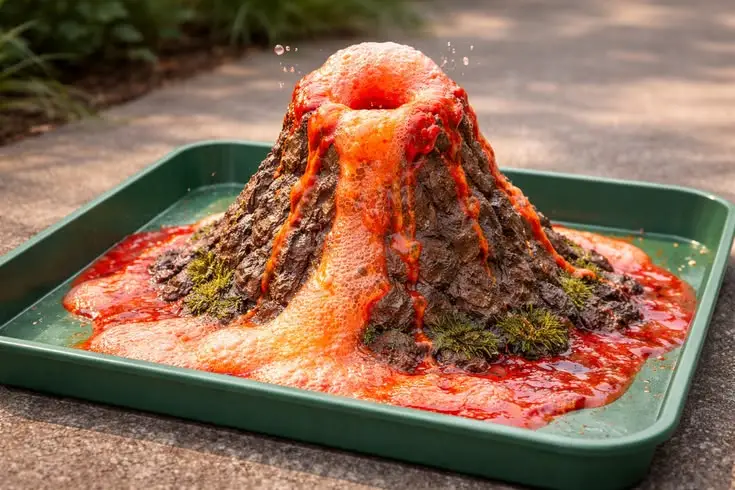
    The Classic Baking Soda Volcanos

    1. The Classic Baking Soda Volcano

    What You'll Need

    • Baking soda
    • Vinegar
    • A small bottle or cup
    • Red and yellow food colouring
    • Dish soap (optional for extra foam)

    How To Do It

    1. Place the bottle or cup on a tray or plate to catch spills.
    2. Add a few spoonfuls of baking soda into the container.
    3. Mix food colouring and a small squirt of dish soap into the vinegar.
    4. Pour the vinegar mixture into the bottle and watch the eruption!
    Fun Fact: The bubbling foam is created by carbon dioxide gas escaping during the reaction— the same gas that gives fizzy drinks their bubbles!
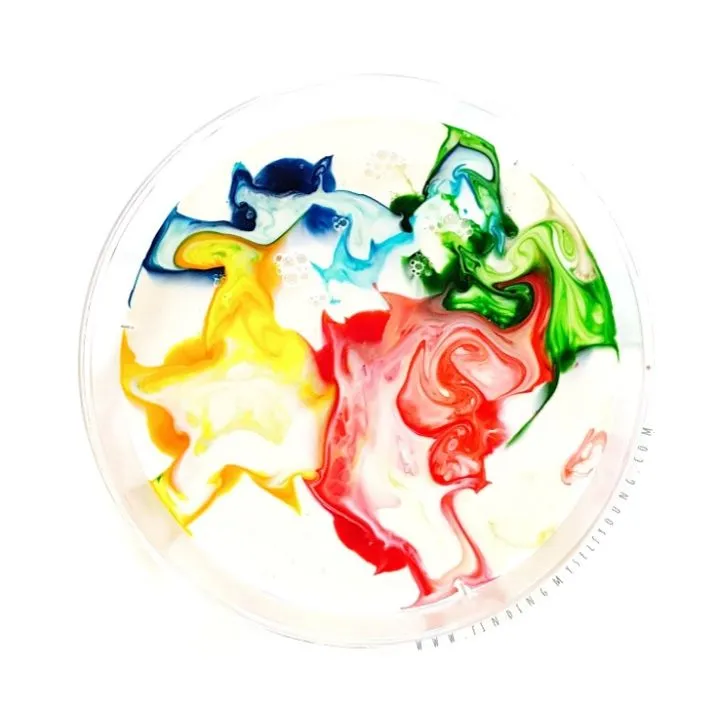
    Rainbow Walking Milk

    2. Rainbow Walking Milk

    What You'll Need

    • A shallow plate of whole milk
    • Food colouring (multiple colours)
    • A cotton swab
    • Dish soap

    How To Do It

    1. Pour the whole milk into a shallow plate until it forms a thin layer.
    2. Add several drops of different food colouring around the milk.
    3. Dip a cotton swab into dish soap and gently touch the centre of the milk.
    4. Watch the colours swirl, spread, and dance across the surface!
    Fun Fact: Dish soap breaks the milk's surface tension and reacts with the fat molecules, causing the colourful patterns to move like magic.
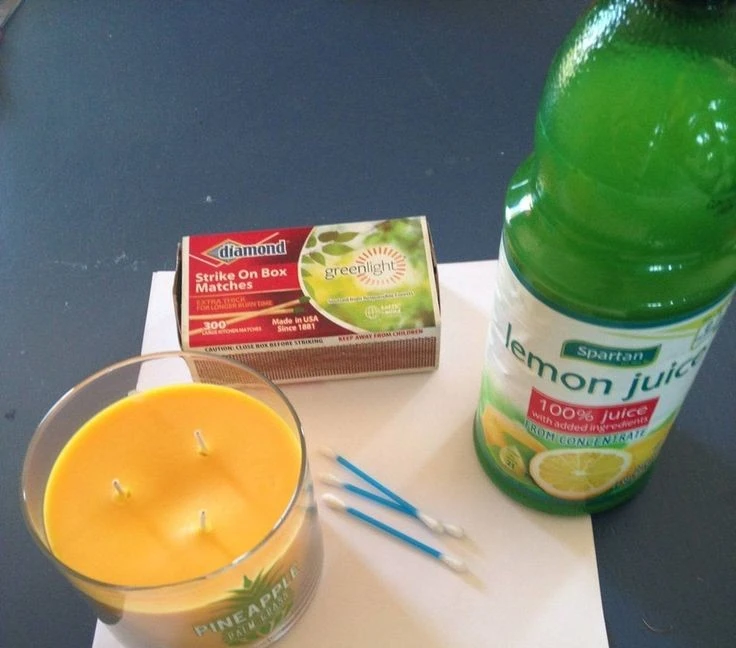
    Secret Lemon Juice Invisible Ink

    3. Secret Lemon Juice Invisible Ink

    What You'll Need

    • Half a lemon (juiced)
    • Water
    • A cotton swab or small paintbrush
    • White paper
    • A lamp or sunny window

    How To Do It

    1. Mix the lemon juice with a few drops of water in a small bowl.
    2. Dip a cotton swab or paintbrush into the mixture and write a secret message on white paper.
    3. Allow the paper to dry completely until the writing becomes invisible.
    4. With adult supervision, gently warm the paper using a lamp or place it in sunlight to reveal the hidden message.
    Fun Fact: Lemon juice contains natural compounds that oxidise faster when heated, turning brown and making your hidden message magically appear!
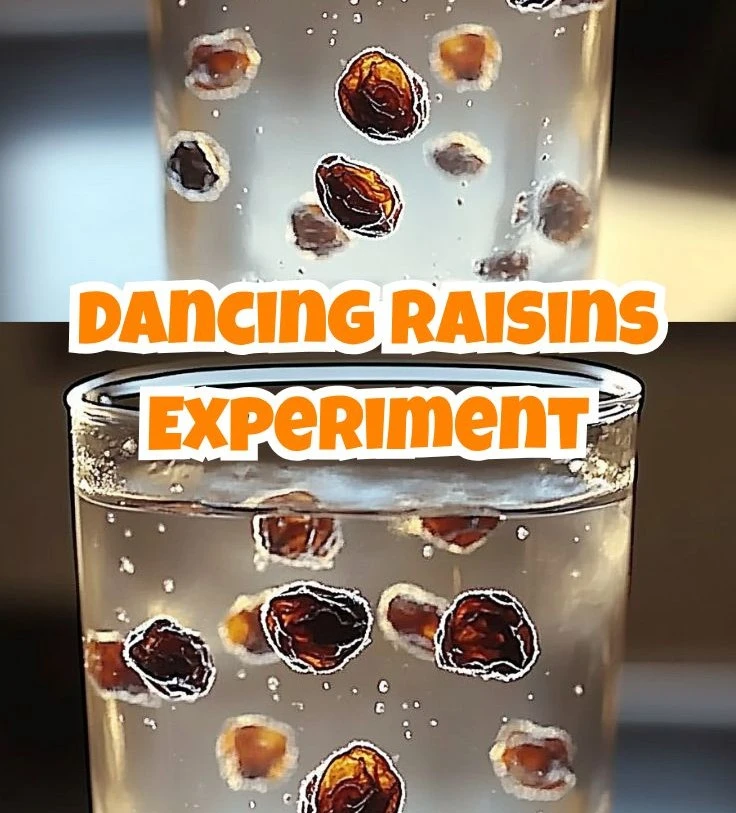
    Dancing Raisins

    4. Dancing Raisins

    What You'll Need

    • A clear glass of sparkling water or soda
    • A handful of raisins

    How To Do It

    1. Fill a clear glass with sparkling water or soda.
    2. Drop five or six raisins into the glass.
    3. Watch the raisins sink, then float to the top before sinking again as the bubbles pop.
    Fun Fact: Carbon dioxide bubbles stick to the wrinkled surface of the raisins, making them float. When the bubbles burst at the top, the raisins sink again, creating a fun "dancing" effect!
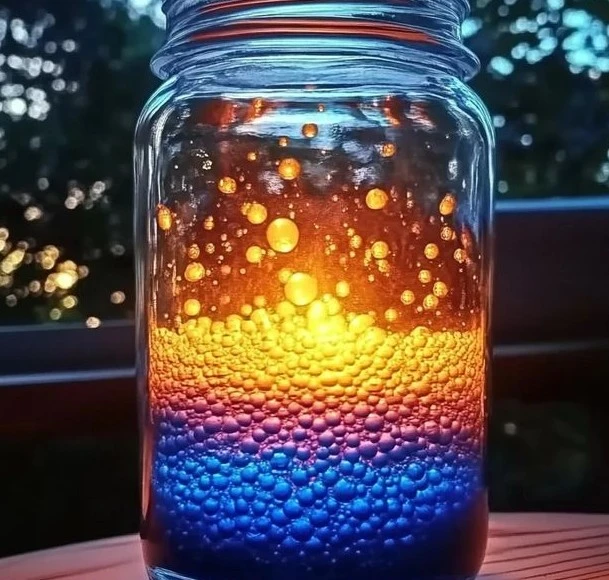
    Homemade Lava Lamp

    5. Homemade Lava Lamp

    What You'll Need

    • A clear plastic bottle or jar
    • Vegetable oil
    • Water
    • Food colouring
    • An Alka-Seltzer tablet (or any effervescent tablet)

    How To Do It

    1. Fill the bottle about one-quarter full with water, then carefully top it up with vegetable oil.
    2. Add a few drops of food colouring and watch the colour sink through the oil into the water.
    3. Break the effervescent tablet into small pieces and drop one piece into the bottle.
    4. Watch colourful bubbles rise and fall, creating a beautiful homemade lava lamp effect!
    Fun Fact: Oil and water don't mix because oil is less dense than water. The fizzing tablet releases carbon dioxide gas, which carries coloured water upward before it sinks back down again!
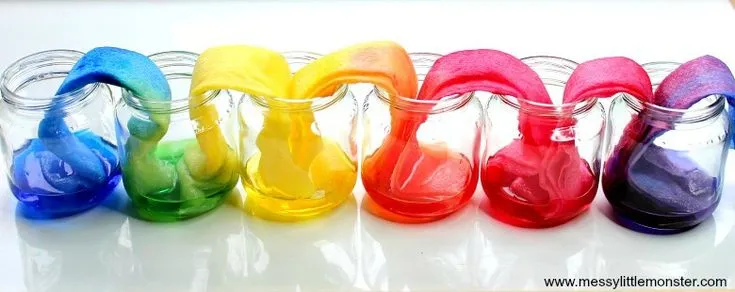
    Walking Water Rainbow

    6. Walking Water Rainbow

    What You'll Need

    • 7 clear cups
    • Water
    • Red, yellow, and blue food colouring
    • Paper towels

    How To Do It

    1. Fill every other cup with water so that four cups contain water and three remain empty. Arrange them in a straight line or a circle.
    2. Add red, yellow, and blue food colouring to the water-filled cups, alternating the colours.
    3. Fold paper towels into strips and place one end into a filled cup and the other into the empty cup beside it, connecting all the cups.
    4. Wait for one to two hours and watch the coloured water "walk" through the paper towels, mixing to create a beautiful rainbow.
    Fun Fact: Capillary action allows water to travel through the tiny spaces in the paper towel fibres, moving against gravity and blending colours to form a rainbow!
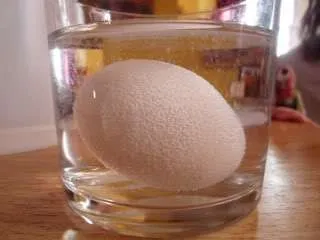
    The Naked Egg

    7. The Naked Egg (No Shell!)

    What You'll Need

    • A raw egg
    • A tall glass
    • Vinegar (enough to completely cover the egg)

    How To Do It

    1. Carefully place the raw egg into a tall glass.
    2. Pour in enough vinegar to completely cover the egg.
    3. Leave the egg undisturbed for 24–48 hours. If the bubbles slow down, replace the vinegar with fresh vinegar.
    4. Once the shell has dissolved, gently rinse the egg with water and observe your bouncy, shell-free egg!
    Fun Fact: Vinegar reacts with the calcium carbonate in the eggshell, dissolving it and leaving behind the soft, stretchy membrane that protects the egg.
    Static Electricity Balloon Trick

    8. Static Electricity Balloon Trick

    What You'll Need

    • A balloon
    • Your hair (or a wool sweater)
    • Small bits of paper or an empty soda can

    How To Do It

    1. Blow up the balloon and tie it securely.
    2. Rub the balloon against your hair or a wool sweater for about 20 seconds to build up static electricity.
    3. Hold the balloon near small pieces of paper and watch them jump toward it, or place it beside an empty soda can to see the can roll across the table.
    Fun Fact: Rubbing the balloon transfers electrons, giving it a static electric charge that attracts lightweight objects without touching them!
    Ice Executive Rescue

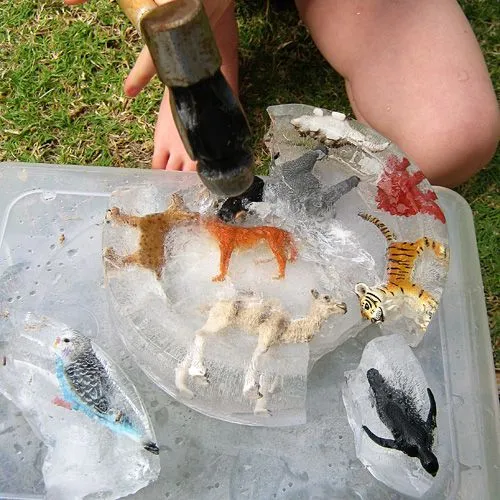
    9. Ice Excavation Rescue

    What You'll Need

    • Small plastic toys (dinosaurs work great!)
    • A container or balloon
    • Water
    • Salt
    • A small spoon or other safe tool

    How To Do It

    1. Place the small toys into a container or balloon, fill it with water, and freeze it overnight.
    2. Remove the frozen ice block from the container.
    3. Give children salt, warm water, and safe tools to carefully melt and chip away the ice to rescue the trapped toys.
    Fun Fact: Salt lowers the freezing point of ice, causing it to melt faster wherever it is sprinkled. That's the same reason salt is spread on icy roads during winter!
    Grow A Bean Rainbow Garden

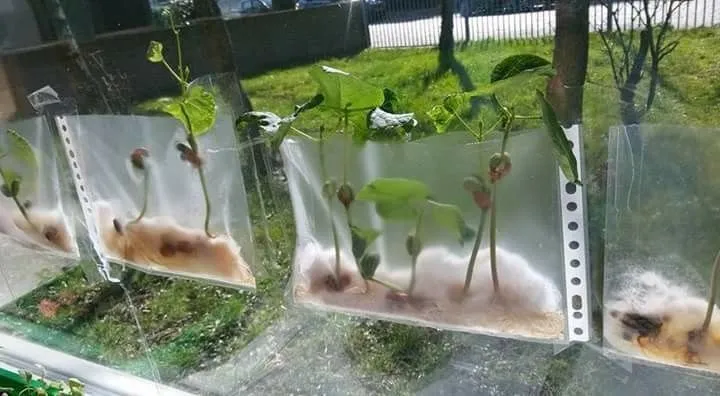
    10. Grow-a-Bean Window Garden

    What You'll Need

    • A clear plastic zip-top bag
    • A paper towel
    • Water
    • A few dried beans
    • Tape

    How To Do It

    1. Dampen a paper towel and place it neatly inside the clear plastic bag.
    2. Tuck a few dried beans between the paper towel and the bag so they remain visible.
    3. Tape the bag to a sunny window where it will receive plenty of natural light.
    4. Check the beans daily and watch roots, stems, and leaves begin to appear over the next week.
    Fun Fact: Bean seeds contain stored food inside the seed, allowing them to sprout before they begin making their own food through photosynthesis!

    Tips to Make Every Experiment Even Better

    • Make Predictions: Ask children to guess what will happen before the experiment begins and compare the results afterward.
    • Encourage Questions: Instead of giving all the answers, ask, "Why do you think that happened?" to develop critical thinking.
    • Keep a Science Journal: Let kids draw pictures, write observations, and record what they discover after each experiment.
    • Experiment Again: Change one variable at a time, such as using more vinegar, colder water, or a different soap, to see how the results change.
    • Celebrate the Mess: Great science often gets a little messy, and that's part of the fun and the learning experience!

    Conclusion

    You don't need a fancy lab to raise a curious scientist, just a kitchen table, a sense of humor, and a willingness to let things get a little messy. These easy science experiments for kids at home are proof that wonder is hiding in your pantry, your fridge, and even your fruit bowl. So next time you're searching for kids' science experiments at home to fill an afternoon, skip the screen time debate and grab the baking soda instead. Your future scientist is just one fizzy reaction away.

    Want to make your child future-ready with Robotics? Moonpreneur offers a tailor-made program. Reserve a spot in our free 60-minute workshop today and introduce them to the amazing world of robotics and innovations!

    Anshika Kanwar

    Anshika Kanwar

    I am someone who absolutely loves learning new things. Moreover, am always eager to dive into new subjects. Writing is my way of painting with words, It's a way for me to share the things I've learned and experienced and find joy in exploring the world of knowledge.
    Subscribe
    Notify of
    guest

    0 Comments
    Inline Feedbacks
    View all comments

    RELATED ARTICLES

    Explore by Category

    MOST POPULAR

    GIVE A GIFT OF $10
    MINECRAFT GIFT
    TO YOUR CHILD

    JOIN A FREE TRIAL CLASS

    FREE EBOOK AND STORYBOOK

    Download "Treasure Hunt" - A Robotics Workbook for Kids (8-15 YEARS)
    Download Now

    Robotics Ebook And 3-Part Video Series

    Download Now