Attend our in-person Robotics & Math


When it comes to elementary school students, combining learning with play is one of the most effective educational strategies. Games for elementary school students provide a dynamic way to develop critical thinking, teamwork, and social skills while keeping young minds engaged and excited.
In this comprehensive guide, we’ll explore a wide variety of games that cater to different age groups, interests, and learning styles. From traditional classroom games to outdoor activities, these games are designed to make learning fun and meaningful for elementary school students.
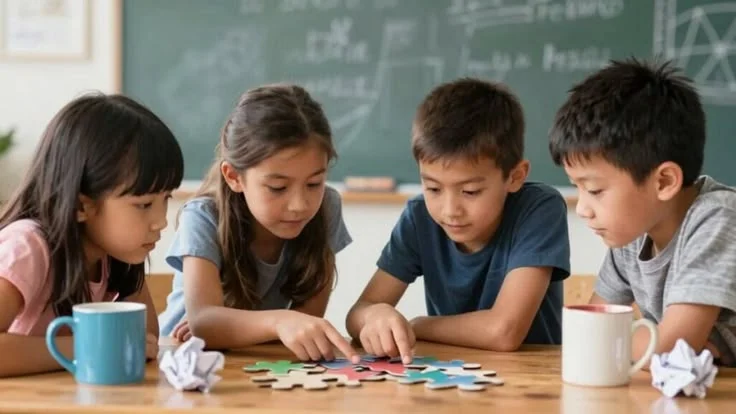
1. Classroom Games That Enhance Learning
Educational games are powerful tools for reinforcing academic concepts while making learning fun. Here are some engaging classroom games that elementary school students absolutely enjoy.
Spelling Bee Tournaments
Classic spelling bees challenge students to spell words correctly while expanding vocabulary. This friendly competition builds confidence, improves language skills, and encourages participation. Organize classroom or school-wide tournaments to make learning even more exciting.
Math Relay Races
Turn math practice into an energetic relay race where students compete in teams to solve problems accurately and quickly. This activity strengthens arithmetic skills, promotes teamwork, and can be customized for different grade levels and difficulty levels.
Trivia Challenges
Create fun trivia quizzes based on your curriculum. Students can play individually or in teams while answering questions about science, history, geography, literature, or any other subject. Trivia games improve memory retention, critical thinking, and classroom engagement.
2. Interactive Board Games and Card Games
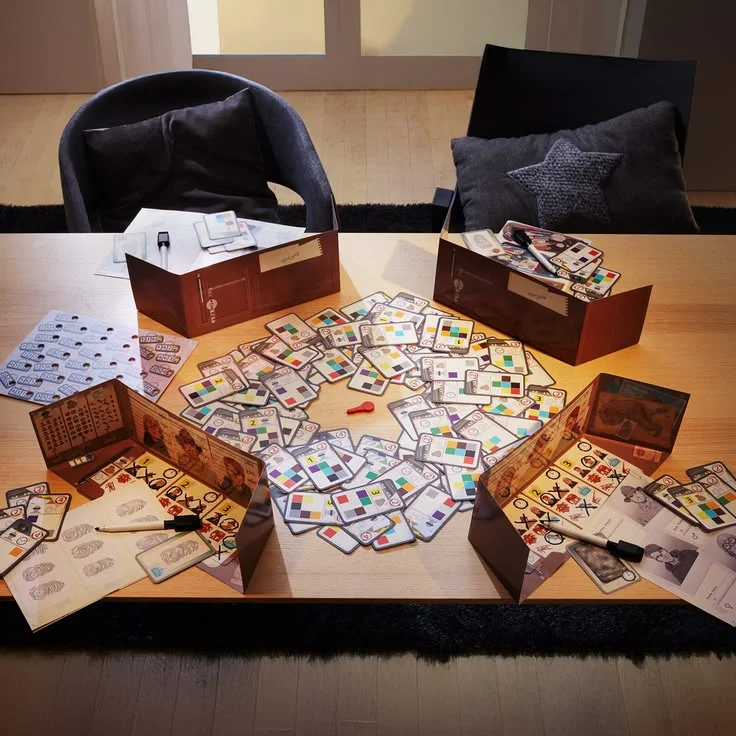
Board games and card games offer excellent opportunities for developing strategic thinking, communication, teamwork, and social interaction. These engaging activities help elementary school students strengthen problem-solving skills while making learning enjoyable and interactive.
Uno & Skip-Bo
These color and number matching games help children develop pattern recognition, quick decision-making, and strategic thinking. Perfect for recess or indoor learning stations, these compact card games make excellent additions to elementary school supply kits.
Scrabble Junior
Designed especially for younger learners, Scrabble Junior makes word-building fun and engaging. It expands vocabulary, strengthens spelling skills, and encourages creative thinking, making it an excellent educational game for elementary students.
Connect Four & Checkers
These classic strategy games teach planning, logical thinking, and foresight. Players learn to anticipate moves, improve concentration, and build problem-solving skills that support cognitive development in elementary school students.
3. Active Outdoor Games
Physical activity plays a vital role in elementary school students' overall development. Outdoor games combine exercise, teamwork, creativity, and learning while helping children improve coordination, build confidence, and stay active in a fun and engaging environment.

️ Scavenger Hunts
Create exciting scavenger hunts that encourage observation, teamwork, and exploration. Whether students search for nature items, solve clues, or collect objects by color or shape, these activities promote problem-solving while keeping children active and engaged.
Tag Variations (Freeze Tag, Shadow Tag, Color Tag)
Add excitement with different tag games that improve agility, speed, and strategic thinking. Freeze Tag builds cooperation, Shadow Tag enhances awareness, and Color Tag combines movement with quick decision-making, making outdoor play both educational and fun.
Hopscotch & Jump Rope Games
These timeless playground favorites help students develop balance, coordination, rhythm, and cardiovascular fitness. With minimal equipment required, hopscotch and jump rope games are easy to organize and suitable for children of all elementary grade levels.
4. Creative and Imaginative Games
Games that spark creativity and imagination play an essential role in the emotional, cognitive, and social development of elementary school students. These engaging activities inspire children to think creatively, express themselves confidently, solve problems in unique ways, and develop skills that extend far beyond the classroom.

Charades
Charades is a classic game that encourages creative expression and non-verbal communication. Children act out characters, animals, or everyday situations while classmates guess the answer. It builds confidence, teamwork, observation skills, and communication in a fun, pressure-free environment.
20 Questions
This engaging guessing game develops critical thinking and deductive reasoning. One student thinks of an object, person, or place while others ask up to 20 yes-or-no questions to identify it. The activity strengthens logical thinking, questioning skills, and curiosity.
Story Building Games
In this collaborative storytelling activity, each student contributes one sentence to build a unique story. The game boosts creativity, imagination, vocabulary, and listening skills while showing students how different ideas can come together to create an entertaining narrative.
Why Games Matter for Elementary School Students
Research consistently shows that play-based learning is essential for elementary school students' academic, social, emotional, and physical development. Educational games make learning more engaging while helping children develop lifelong skills.
-
✓Enhances Academic Performance: Games reinforce learning concepts in engaging and memorable ways.
-
✓Develops Social Skills: Students learn teamwork, cooperation, communication, and respect for others.
-
✓Boosts Creativity: Imaginative games encourage original thinking and creative problem-solving.
-
✓Improves Confidence: Success in games builds self-esteem and encourages participation.
-
✓Reduces Stress: Playful activities create a positive, enjoyable, and supportive learning environment.
-
✓Promotes Physical Health: Active games ensure children get essential daily exercise while having fun.
🎯 Tips for Choosing the Right Games
When selecting games for elementary school students, consider these important factors to ensure the activities are engaging, educational, and appropriate for every learner.
-
👧Age Appropriateness Ensure games match the developmental stage, interests, and learning abilities of your students.
-
🤝Inclusivity Choose games that every student can participate in regardless of their abilities or skill level.
-
📚Educational Value Look for games that reinforce curriculum concepts while developing important life skills.
-
🎒Equipment Needed Consider the materials required and prefer games that use simple or easily available equipment.
-
🎲Variety of Play Include a healthy mix of competitive, cooperative, creative, and individual games to keep students engaged.
Conclusion
Games for elementary school students are much more than entertainment—they are powerful learning tools that make education engaging, memorable, and enjoyable. By combining classroom games, board games, outdoor activities, and creative challenges, educators and parents can create meaningful learning experiences that support children's academic, social, and emotional growth.
Whether you're a teacher looking to energize your classroom, a parent searching for educational activities, or someone building the perfect collection of school games, choosing activities that balance fun with learning will help every child thrive. Start with a few games, observe what students enjoy most, and continue building experiences that inspire curiosity and confidence.
The biggest reward isn't just winning a game—it's seeing a child's confidence grow, curiosity spark, and smile brighten through learning. So gather your students, start playing, and let every game become a new opportunity to learn, explore, and create unforgettable memories.
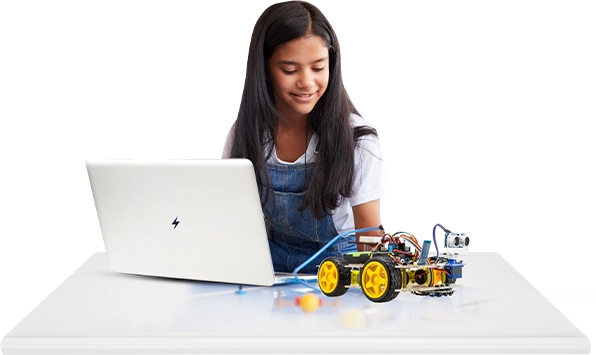
Want to make your child future-ready with Robotics? Moonpreneur offers a tailor-made program. Reserve a spot in our free 60-minute workshop today and introduce them to the amazing world of robotics and innovations!