



Overview of Robotics Competition
Robotics competition is one of the most exciting platforms for young innovators today. Competition, competitiveness, and compete are related terms that are like a tonic for the brain. Taking part in any competition is like exploring the farthest corner of your brain and filtering out the best of your skills to have an edge over other participants.
Believe it or not, it’s one of the best exercises to evaluate yourself and find out where you stand. There are different competitions specially designed to challenge children’s creativity. As we are harvesting technology, robotics, and AI-related competitions are rapidly expanding in 2026, offering global exposure and scholarship opportunities for students.
If your child is a robotics fan and shows sparks of innovation, encourage their competitive spirit by offering opportunities to compete in robotics competitions. Robotics competitions foster a sense of harmony among researchers, students, and enthusiasts, who come together to work toward a shared goal in challenging areas of robotics.
Here are some of the best robotics competitions:
1. FIRST Robotics Competition(FRC)
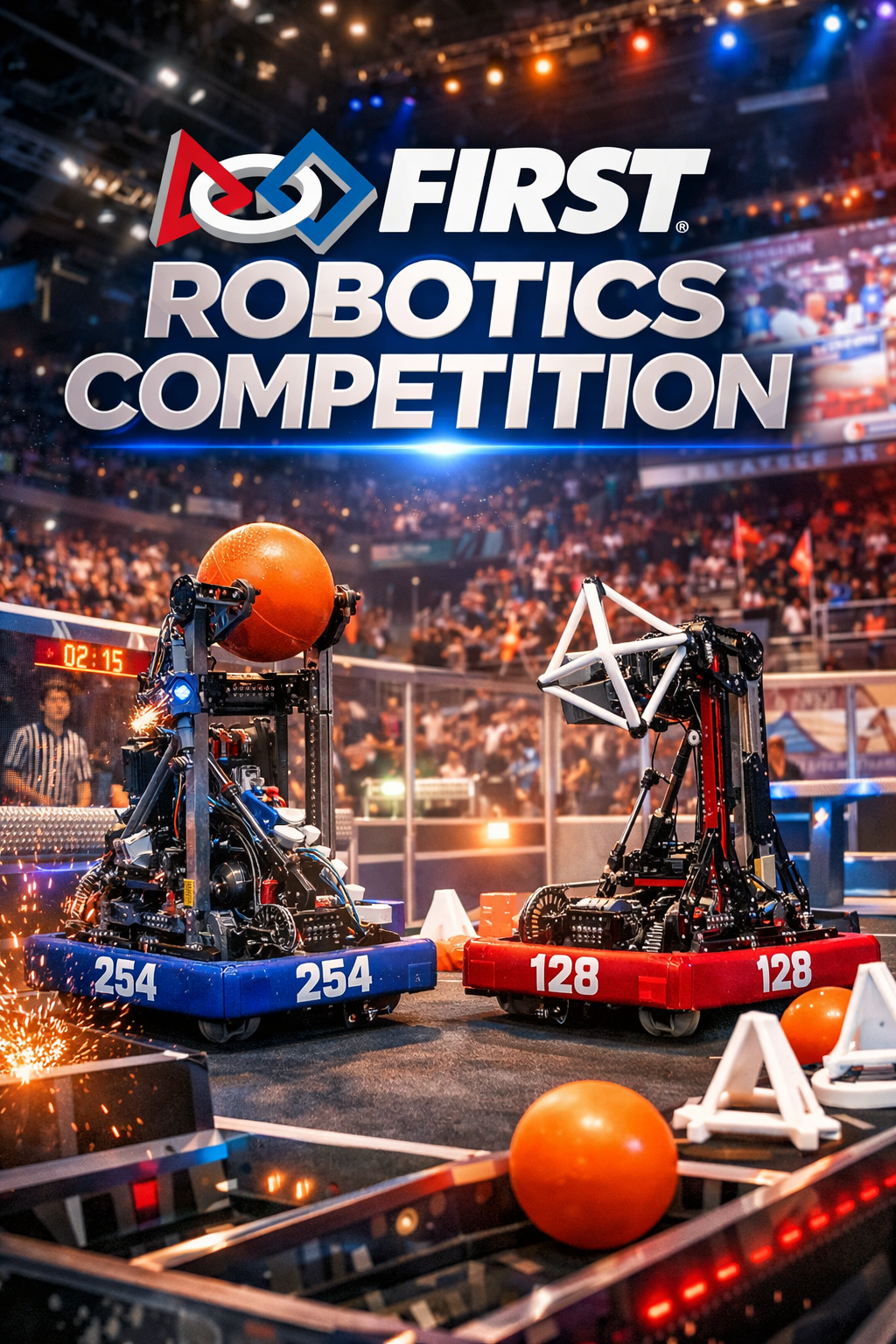
A competition for high school children, it is intense and is often described by students as “the hardest fun you will ever have”. They challenged students to raise funding, design, build, and program against other teams with limited resources and only six weeks.
In 2026, FRC continues to be one of the largest global robotics competitions with thousands of teams participating worldwide.
Who: Teams of ten or more high school students (grades 9–12).
When: Registration usually takes place in the fall, with the competitive season starting in January and ending in April with the FIRST Championship.
Where: Regional/state competitions take place across the United States and globally.
Prize: Access to over $80 million in scholarships.
Recommended reading: Robotics for Teens – Top 8 Benefits in 2026
2. The VEX Robotics Competitions

The Robotics Education & Competition Foundation hosts several robotics tournaments. They give each group of students the responsibility of developing and building a robot that will compete against other teams in a game-based engineering challenge.
In 2026, VEX remains one of the most participated robotics competitions globally, culminating in the VEX robotics world championship in Dallas, Texas.
Who: Students from elementary through collegiate levels(minimum age 8 years).
When: Tournaments are held year-round at regional.state, national, and world levels.
Where: Global participation across 70+counties.
Prize: Scholarship, excellence awards, and world championship titles.
Recommended reading: Top 5 Reasons Why Every Child Should Learn Robotics
3. BEST Robotics Competition
A robotics tournament in which teams compete against each other. Every year, they choose a new challenge based on current events. “BEST” stands for “Boosting Engineering, Science & Technology.”
In 2026, Best Robotics continues to focus on real-word problem solving themes aligned with emerging technologies.
Who: Middle and high school students.
When: Registration dates vary yearly.
Where: Regional and national competitions across the US.
Prize: BEST Award, creativity honors, and design recognition awards.
Recommended reading: Why Robotics Is A Good Investment In Your Child’s Future?
4. Wonder League Robotics Competition
Designed for youth, participants clear three rounds over five months under a coach’s supervision.
In 2026, Wonder League continues to promote coding literacy through engaging robotics challenges.
Who: Children aged 6 to 12 years.
When: Runs throughout the year(fall-spring cycle).
Where: Online registration and remote preliminary rounds.
Prize: Awards and recognition certificates.
Recommended reading: [Video] Introduction To Robotics For Kids
5. Zero Robotics
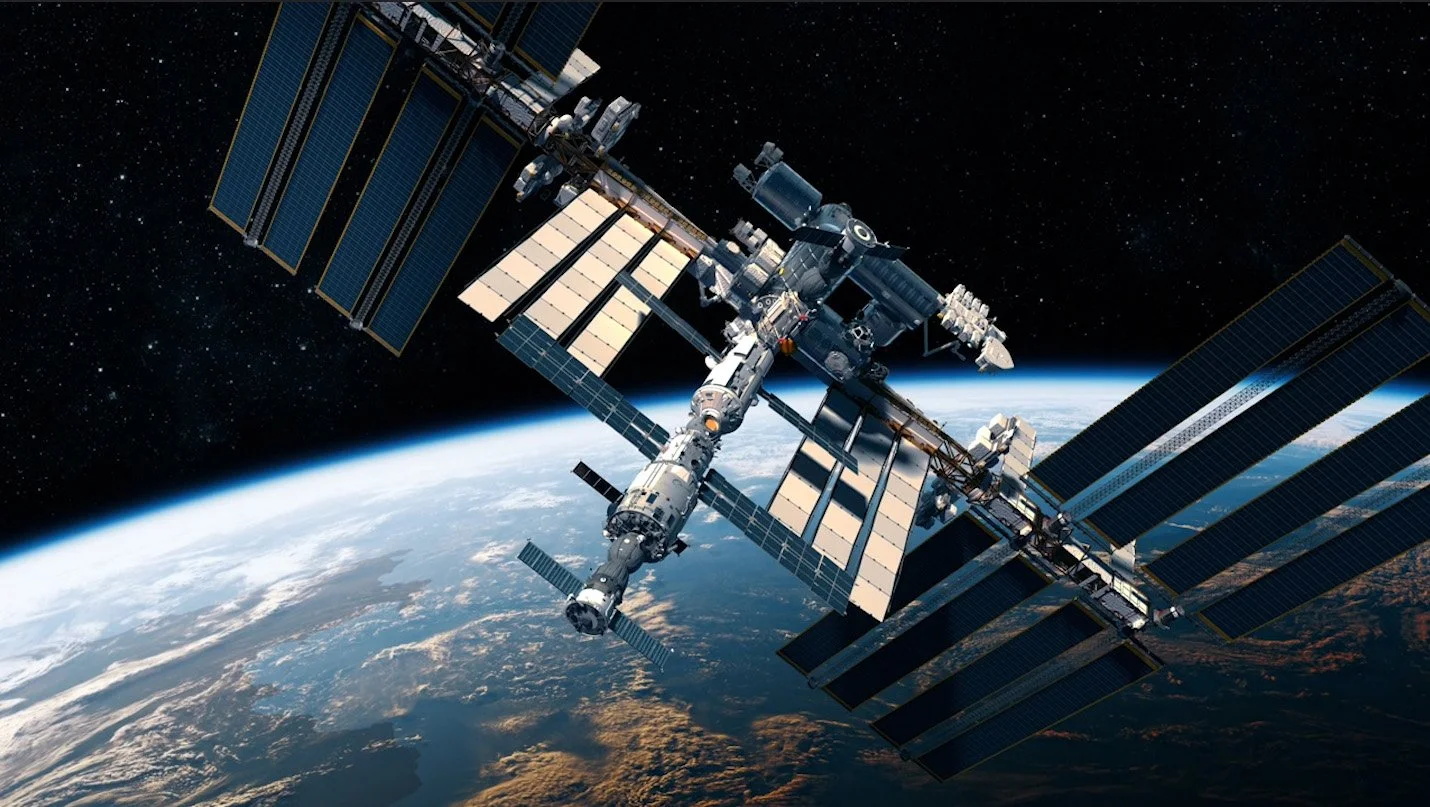
During the five-week program, the STEM curriculum introduces students to computer programming, robotics, and space engineering, providing hands-on experience programming Astrobee Satellites.
Organized in collaboration with MIT and NASA, the 2026 edition continues to offer space-based robotics programming experiences.
Who: Students, schools, and community organizations.
When: Summer program (updated yearly schedule).
Where: US and selected international locations.
Recommended reading: Why is Moonpreneur’s Robotics Program Important?
6. World Robot Olympiad
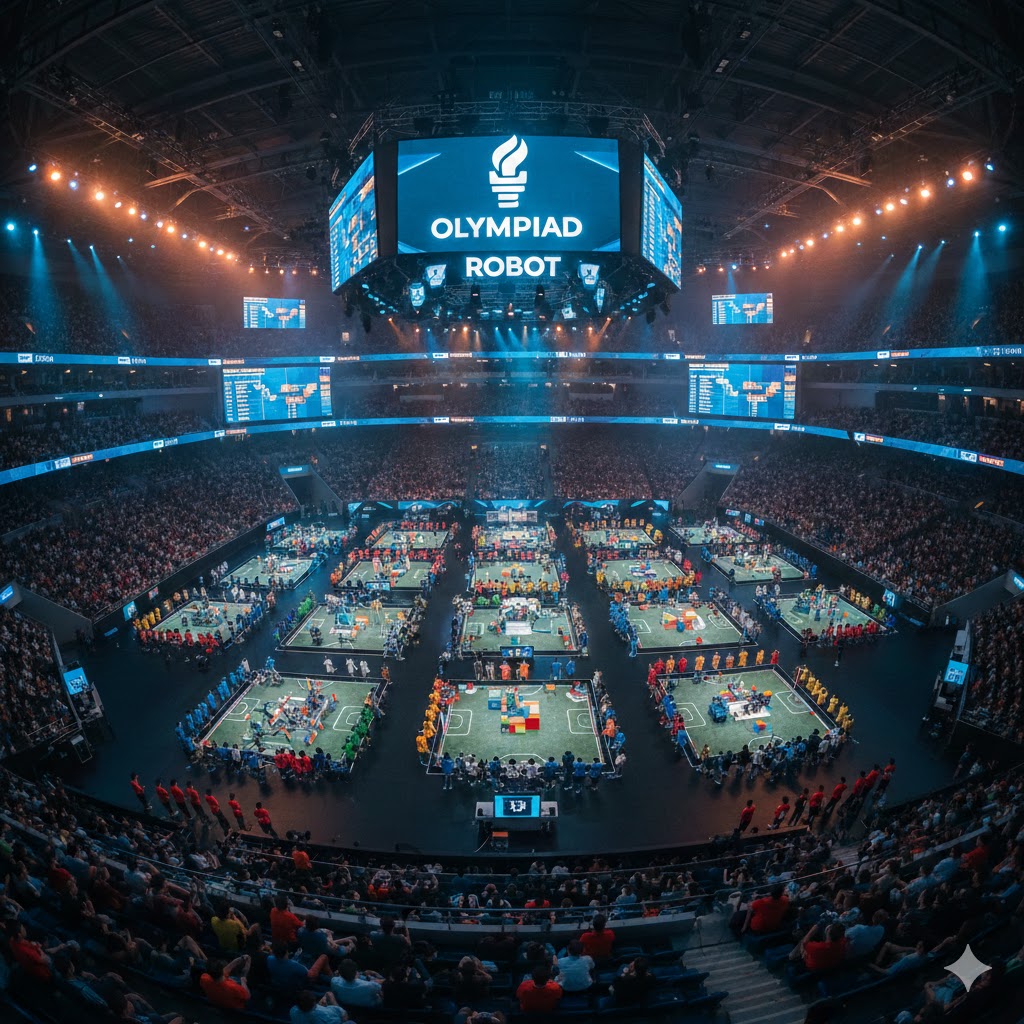
It is a forum for robotics competitions focused on science, technology, and education.
In 2026, WRO operates in 90+ countries, engaging thousands of students annually.
Who: Students aged 8-19 years. across four categories.
When: National rounds lead to international finals annually.
Where: Global participation.
7. Micromouse
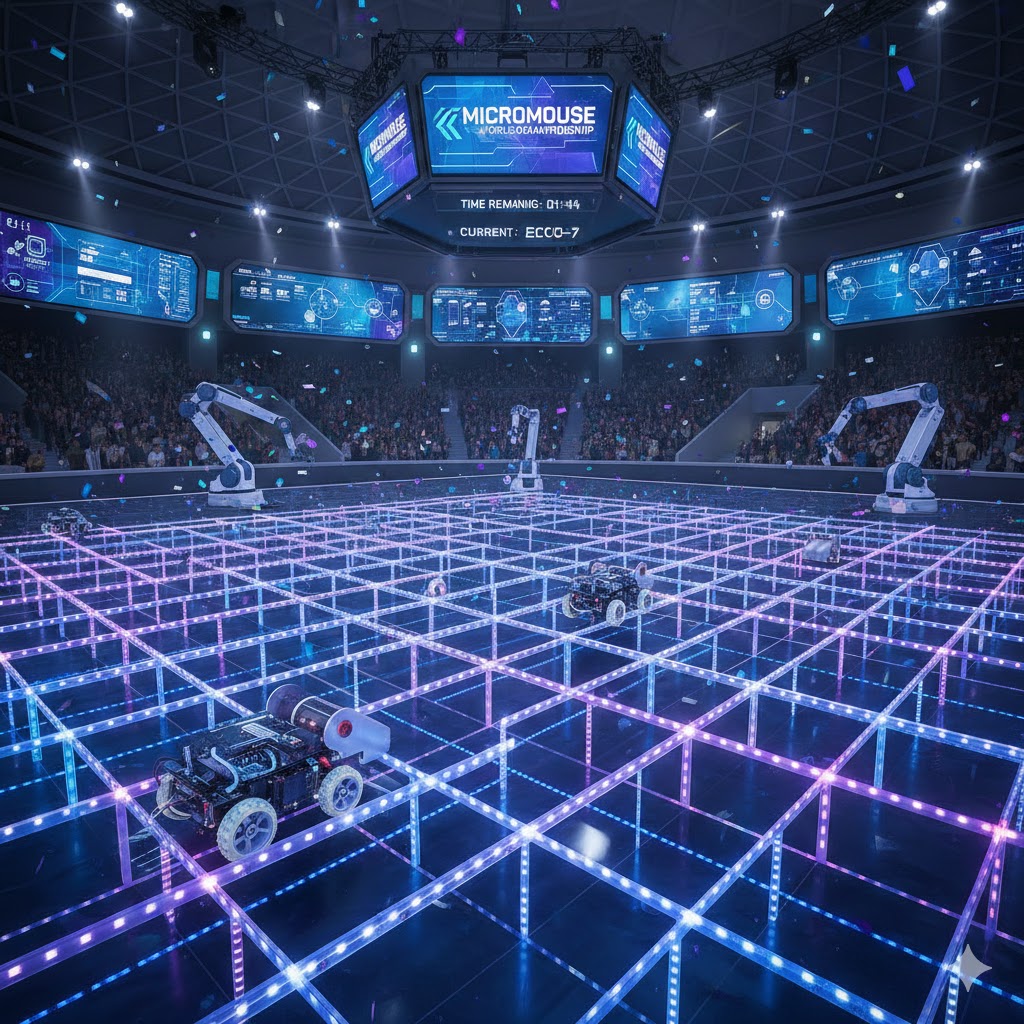 It is a robotics competition where miniature robot mice solve a 16×16 maze. In 2026, Micromouse competitions remain highly popular in universities across ASIA. Europe and North America
Who: Students of all ages.
Where: Worldwide (UK, U.S., Japan, Singapore, India, and South Korea)
8. RoboGames
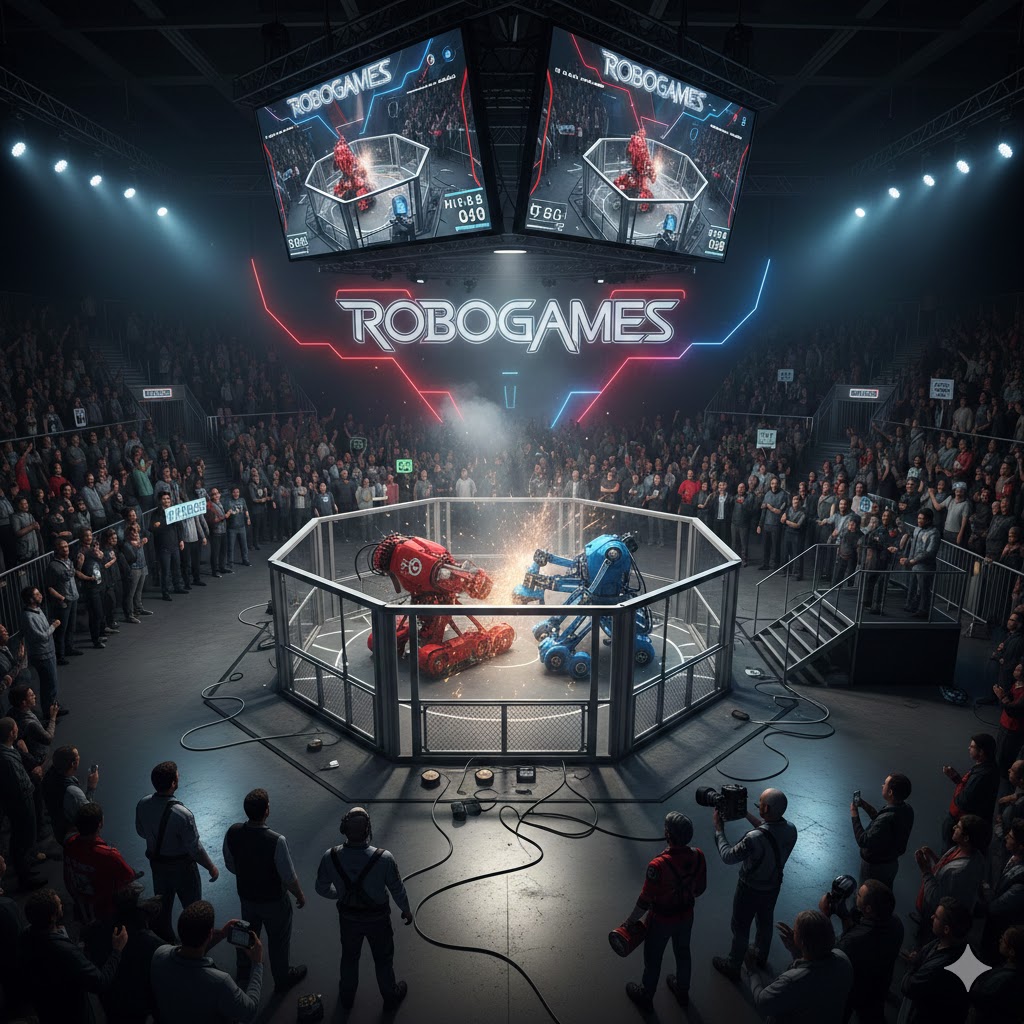
Walking humanoids, soccer bots, sumo bots, combat robots, firefighters, LEGO bots, and many more compete in a robot Olympics featuring roughly 50 distinct events.
Robogames continues to attract robotics enthusiasts with diverse open-category competitions.
Who: Open event.
9. Technician Robotics Competition
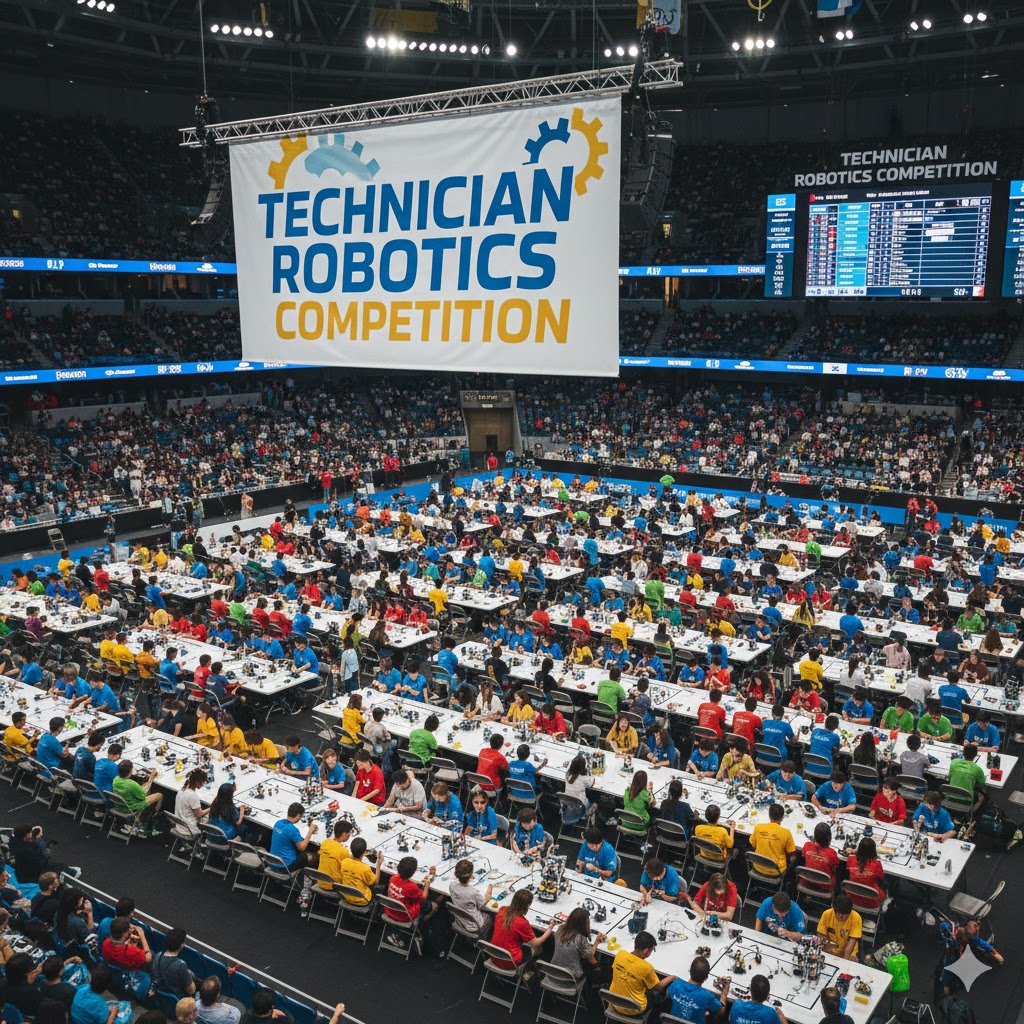
Kids may show off their technical prowess in this juvenile robotics competition. This competition promotes creativity and automation through multiple challenge-based tournaments. In 2026, Technician Robotics events focus heavily on racing bots and Robo War challenges.
Why should you participate in a robotics competition in 2026?
There are many benefits of participating in the robotics competition. It is an ideal platform for students to explore robotics, robot design, and computer programming. What makes them unique is the opportunity to put knowledge into practical use.
Robotics competitions present an opportunity for students to work on challenging scenarios and create a robot design using science, technology, engineering, and mathematics.
In 2026, robotics competition also integrate AI, Machine learning, sustainability, and automation challenges- aligning students with future careers
- Creativity, cooperation, and problem-solving are enhanced.
- Technical proficiency improves
- Academic knowledge is applied in real-world settings.
- Networking opportunities increase career prospects
So, robotics contests are an all-encompassing learning opportunity with personal and professional advantages.
In a nutshell
Something is better than nothing. If your child has free time, ensure they invest in learning something new and enhancing their knowledge.
Currently, many children are hooked on robotics — a futuristic subject gaining rapid momentum worldwide. In 2026, robotics education is increasingly integrated into school curricula and STEM pathways.
Want your child to learn robotics? Try Moonpreneur’s Innovator Program, a hands-on learning experience in robotics and other futuristic streams.
Students (ages 10-17) receive instructor-led classes and toolkits on robotics — from foundation to prototyping and commercialization.
Want to make your child future-ready with Robotics? Moonpreneur offers a tailor-made program. Reserve a spot in our free 60-minute workshop today and introduce them to the amazing world of robotics and innovations!
Update: This article was last updated on 24th February 2026 to reflect the accuracy and up-to-date information on the page.
















What could be done to make robotics competitions more welcoming to kids from all walks of life?
Commitment to provide financial assistance to teams from disadvantaged communities in order to promote diversity and inclusion. Offering scholarships and active collaboration with local organizations will provide the necessary guidance and assistance to teams in achieving success.
I don’t think these competitions are conducted in a fair and equitable manner.
Use of a fair evaluation process that looks at how each team performs objectively to make sure that everyone is treated fairly. Reviews are thorough and a variety of tools are used to look at how each team is doing from different angles, so that everyone gets a comprehensive look at how they’re doing.
I noticed that these competitions make students stressed out alot, keep them safe from getting too stressed out and competing too hard in robotics competitions?
Students need to be taught to focus on the learning process more than the competition. Moreover, efforts are made by all to create a happy, supportive environment where kids can grow and learn so they can feel good about themselves and help them reach their academic goals.
Robotics competitions play a significant role in addressing real-world problems in several ways like problem identification, innovation and solutions, cross-disciplinary collaboration, technology advancements, skill development, public engagement and global perspective.