


 Attend our in-person Robotics & Math



1. Interactive Learning
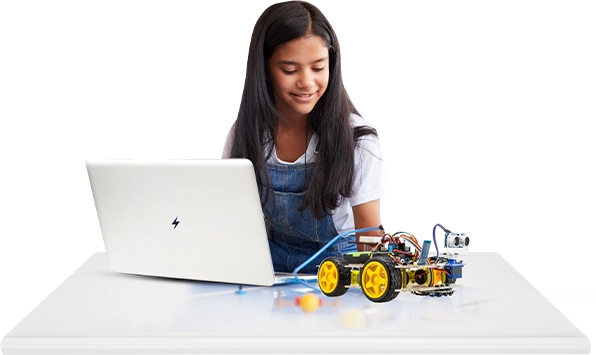
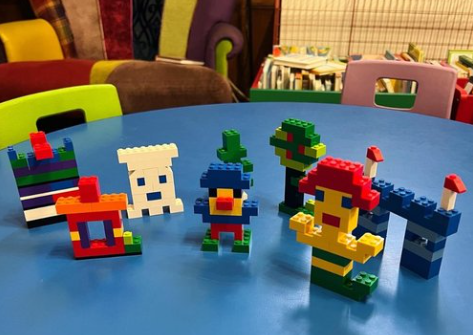
The practical, hands-on experience that LEGO provides for coding tasks, including coding projects for beginners, is one of its most important benefits for your kids. With the ability to physically interact, they can learn in a kinesthetic way. STEM topics are better understood and are retained over time thanks to this tactile experience.
2. Multidisciplinary Methodology
Combining coding with LEGO enhances a multidisciplinary approach to teaching. Your child will be encouraged to apply mathematical concepts, logical reasoning, and engineering principles to their projects. This holistic approach strengthens individual disciplines while emphasizing their interconnectedness.
3. Promotes Innovation and Creativity
The endless possibilities of LEGO are fertile ground for imagination for your child. It enables them to turn their innovative thoughts into real-world, useful items when combined with coding. This fosters entrepreneurship from a young age and encourages creativity and unconventional thinking.
4. Applications in the Real World
Children can see the real-world applicability of STEM ideas through the frequent simulation of real-world scenarios in LEGO coding projects. To develop a deeper comprehension of the topic, this link between theory and practice is crucial. Kids not only comprehend the underlying theories but also gain an understanding of how these ideas are used in their daily lives.
LEGO-based creative coding projects
LEGO-based creative coding projects are another way of mastering STEM with LEGO.
1. Maze Solver

In this project, children use LEGO bricks to physically build a maze and then program a robot to move through it. Basic robotics, sensors, and algorithmic ideas are introduced in this exercise. It pushes them to use critical and logical thinking to come up with an effective maze-solving plan.
2. Weather Station

Children can build a LEGO weather station equipped with sensors to measure temperature, humidity, and other weather-related information for a more interdisciplinary approach. They can then program the station to present this data in an approachable manner. This project offers a thorough STEM experience by integrating aspects of meteorology, engineering, and data visualization.
3. Low-Tech Devices
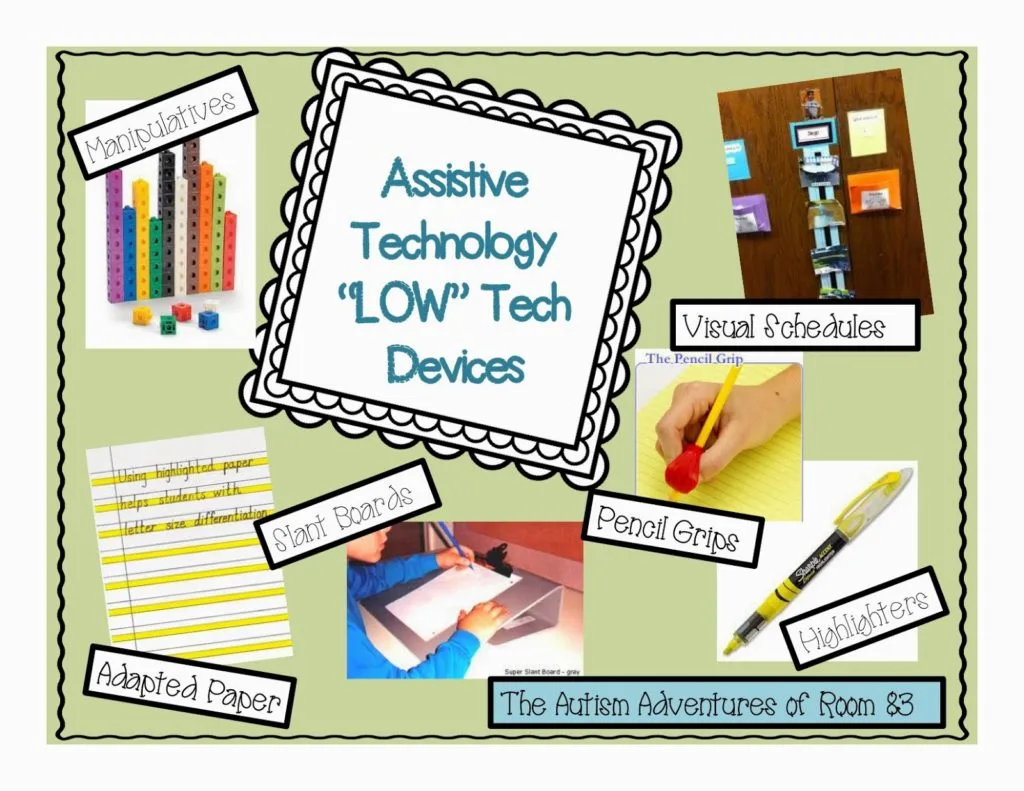 Children set out to build various simple machines using LEGOs in this project. Then, they program these devices to carry out actions like lifting objects, changing motion, or even building a Rube Goldberg device. With the help of this project, your child may learn the application of engineering principles in the real world and how abstract mechanical ideas are translated into physical, useful objects.
4. interactive Storytelling

Children can use LEGO to construct settings or characters and then program them to interact in a digital story, fostering creativity, storytelling abilities, and coding skills. Activities like this, often found in coding classes for kids, encourage children to think creatively and dynamically by seamlessly blending storytelling with coding in an accessible way. This project offers a comprehensive STEM experience by integrating elements of meteorology, engineering, and data visualization.
5. Mars Rover Simulator
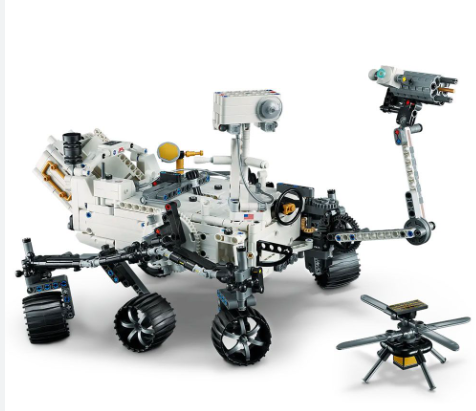
For an exciting twist, kids can create a LEGO Mars Rover and program it to carry out missions including gathering samples, navigating terrain, and transmitting data back to Earth. By incorporating aspects of engineering, physics, and planetary science, your child can explore the world of robots and learn about the interesting field of space exploration.











How do I choose a master research topic?
These Guidelines will surely help you out for Decision-Making.
What is the best research topic for STEM students?
These are the best research topics for STEM students