Attend our in-person Robotics & Math


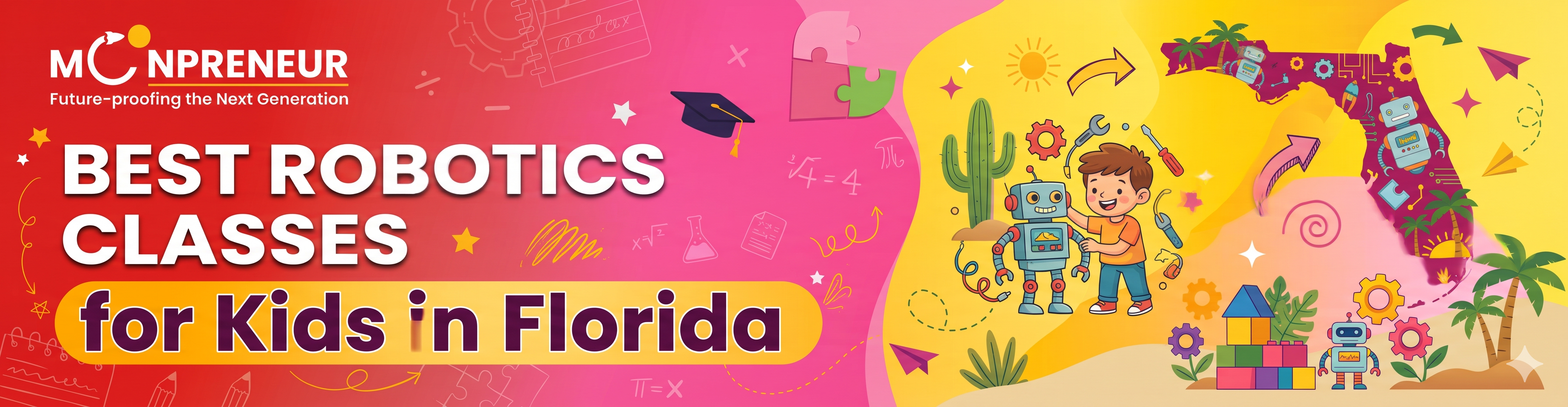
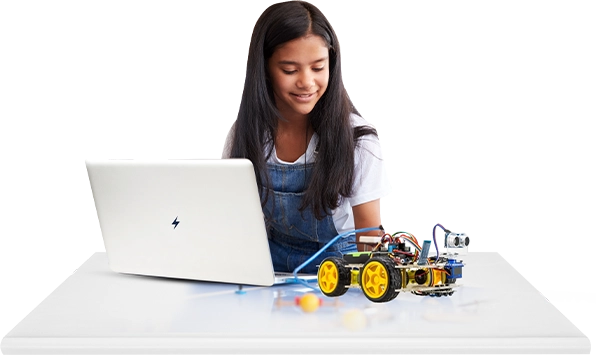
Does your child love taking things apart, building things, or asking how machines work? Perhaps they spend hours playing with gadgets but haven’t had the opportunity to create something of their own. Many parents want to turn that curiosity into meaningful learning but aren’t sure where to begin. Should they look for Robotics Classes in Florida, online lessons, or a structured robotics course?
Florida has several opportunities for young learners, from university-led robotics camps to competitive robotics teams and instructor-led online programs. The right choice depends on your child’s age, interests, location, and experience. This guide explores some of the options worth considering and explains what parents should look for before enrolling.
Why Are Robotics Classes for Kids Becoming Popular?
Robotics combines science, technology, engineering, and mathematics (STEM) in a way children can experience directly. Instead of only learning how a motor, sensor, or circuit works, students get to build something, program it, test it, and improve it.
Robotics is becoming more relevant as technology moves beyond screens and into the physical world. A growing area of innovation known as Physical AI combines artificial intelligence with robotics, allowing machines to sense their surroundings, interpret information, make decisions, and take action in real-world environments.
This is not just a future possibility. According to the World Economic Forum’s Future of Jobs Report 2025, 58% of surveyed employers expect robots and autonomous systems to transform their businesses by 2030. The World Economic Forum also identifies advances in robotics, AI, and vision systems as key drivers of Physical AI.
For parents, this points to an important opportunity: children can start developing an understanding of the technologies shaping tomorrow’s world while they are still young. Robotics classes introduce them to the building blocks behind these systems—sensors, motors, circuits, coding, and logical problem-solving. They learn to build a machine, program its actions, test how it responds, and improve its performance.
Let’s take a closer look at the top robotics program for kids in Florida.
5 Top Robotics Programs for Kids in Florida
1. Moonpreneur: Online Robotics Classes for Kids
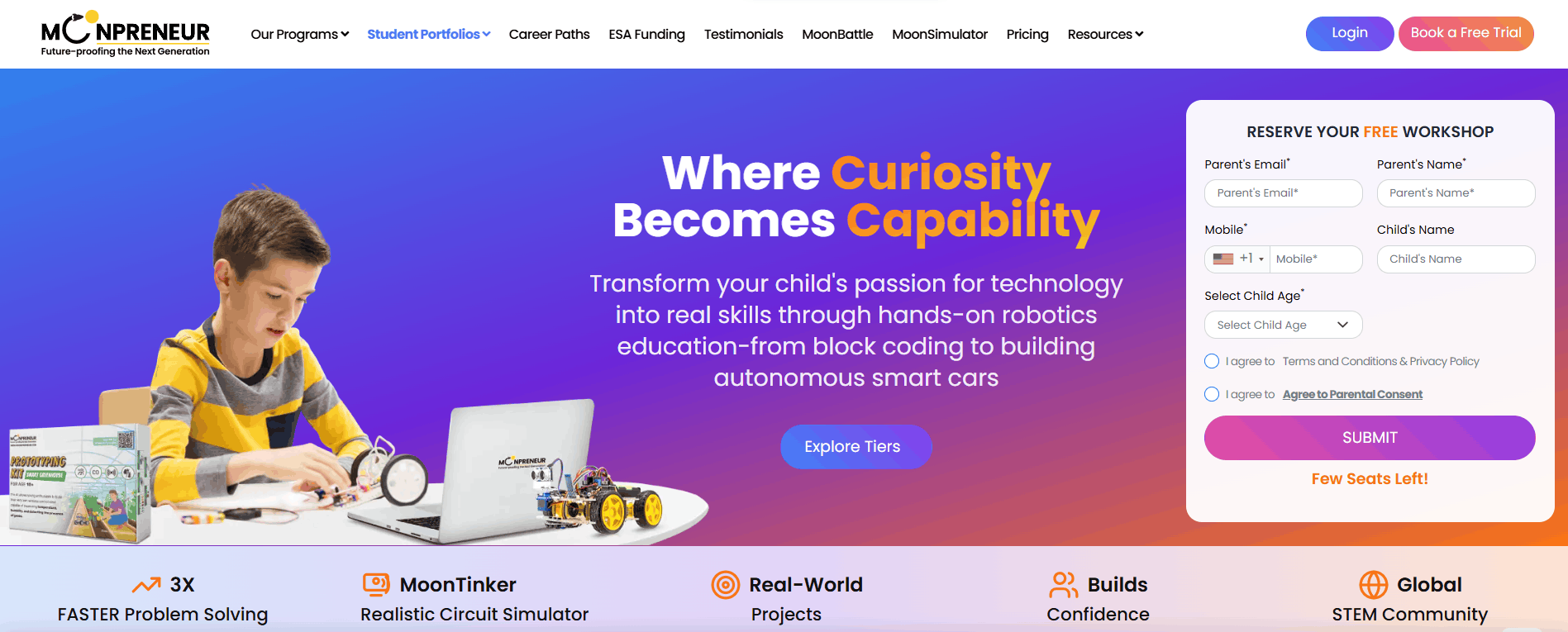
Not every family has access to a suitable robotics program nearby. Online learning can provide another option, particularly for parents who want structured instruction without travelling to a physical classroom.
Moonpreneur’s Robotics Program offers instructor-led, project-based learning for students across different age groups. Its curriculum progresses from foundational building and block coding to more advanced robotics, electronics, sensors, and programming.
The program uses age-appropriate kits and practical projects to help students apply what they learn.
- Age group: 6-17 years, with different learning levels
- Learning format: Online instructor-led sessions with hands-on kits. Doubt clearing sessions
- Focus: Robotics, coding, electronics, prototyping, and innovation
- Learning approach: Progressive, project-based curriculum
Parents can also explore Moonpreneur’s Advanced Robotics program for older students interested in more complex projects.
2. FIRST LEGO League: Statewide Florida
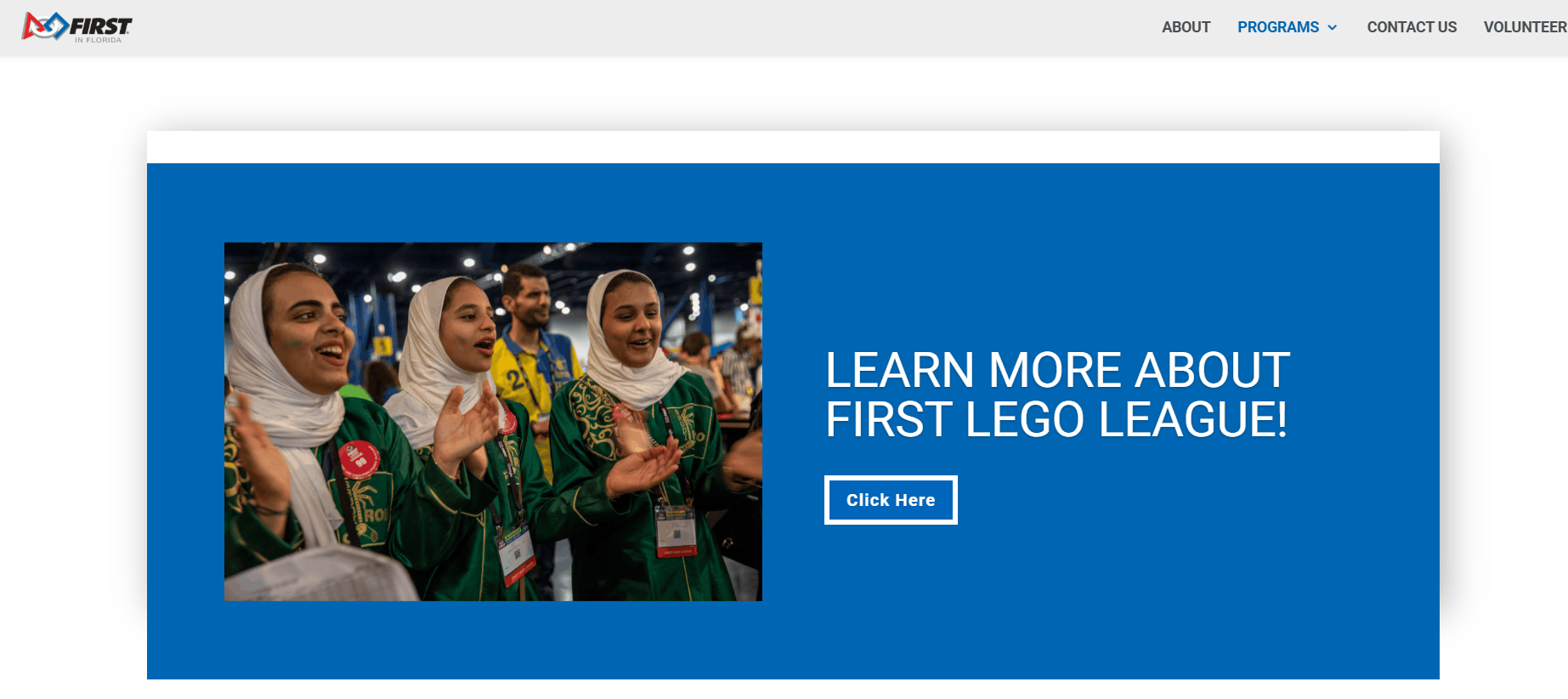
FIRST LEGO League is a well-known robotics program that introduces children to engineering and problem-solving through LEGO-based challenges.
Students work in teams to design, build, and program robots while developing solutions to real-world challenges. The program has different divisions for children at different developmental stages.
- Age group: Approximately 4-16 years, depending on the division
- Learning format: Team-based, hands-on learning
- Focus: Robot building, coding, innovation projects, and teamwork
- Availability: Through local program delivery organizations and teams across Florida
FIRST in Florida lists regional delivery partners, including Cox Science Center and Aquarium in South Florida, Infinity Center of Education in Central Florida, State College of Florida in West Florida, Builders of Tomorrow in Northeast Florida, and Doolittle Institute in Northwest Florida.
3. Brick-by-Brick Robotics Camp: University of South Florida
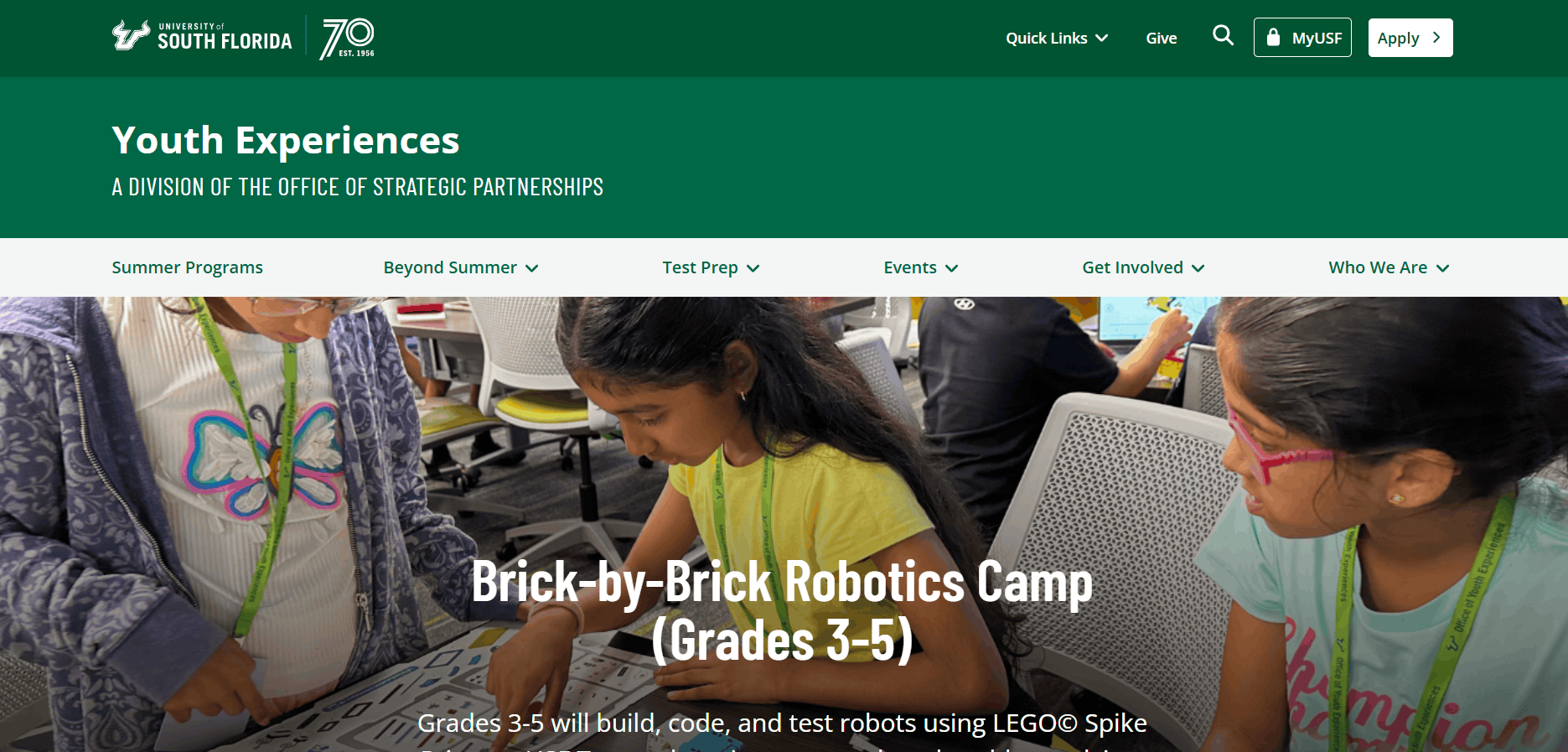
The University of South Florida’s Brick-by-Brick Robotics Camp gives elementary school students an opportunity to build and program robots using LEGO SPIKE Prime.
Children work through hands-on activities, assemble robotic models, program movements, and complete challenges with other campers.
- Age group: Grades 3-5
- Location: USF Tampa campus
- Learning format: In-person, week-long summer camp
- Focus: Robot construction, programming, teamwork, and problem-solving
Parents should check the university’s website for current camp dates, availability, and fees before registering.
4. Cox Science Center and Aquarium – West Palm Beach
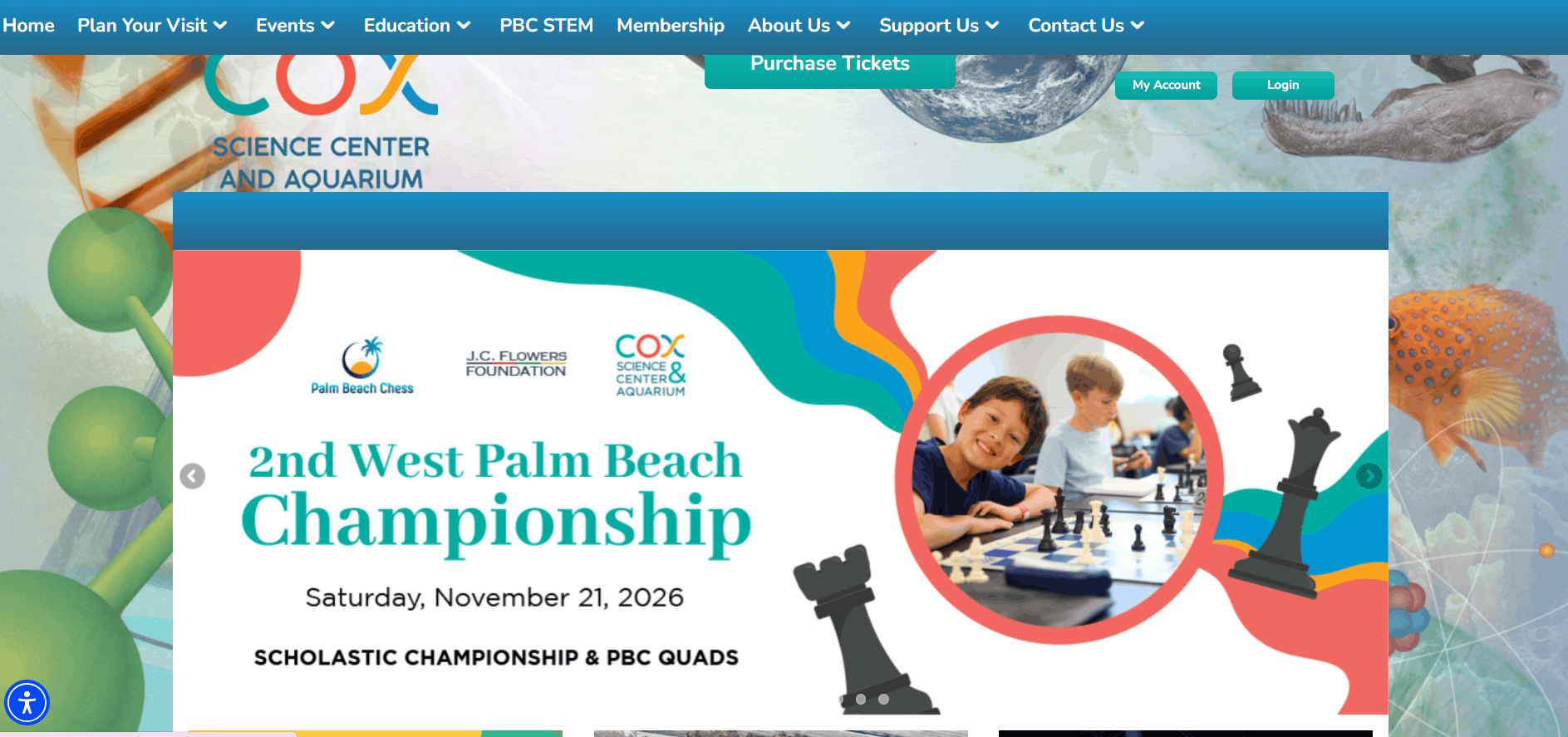
The Cox Science Center and Aquarium offers FIRST LEGO League opportunities for students interested in building and competing with robots.
Its robotics team activities involve planning, building, coding, and testing LEGO-based robots. Students also work on innovation projects and participate in team challenges.
- Age group: Check the current program listing; its 2026-27 team information lists students ages 9-14
- Location: West Palm Beach, Florida
- Learning format: Weekly team sessions and competitive events
- Focus: Robotics, innovation projects, collaboration, and competition
This is worth exploring for children who enjoy working in teams and want to experience robotics beyond individual projects.
5. S.P.A.M. Robotics – Stuart, Florida
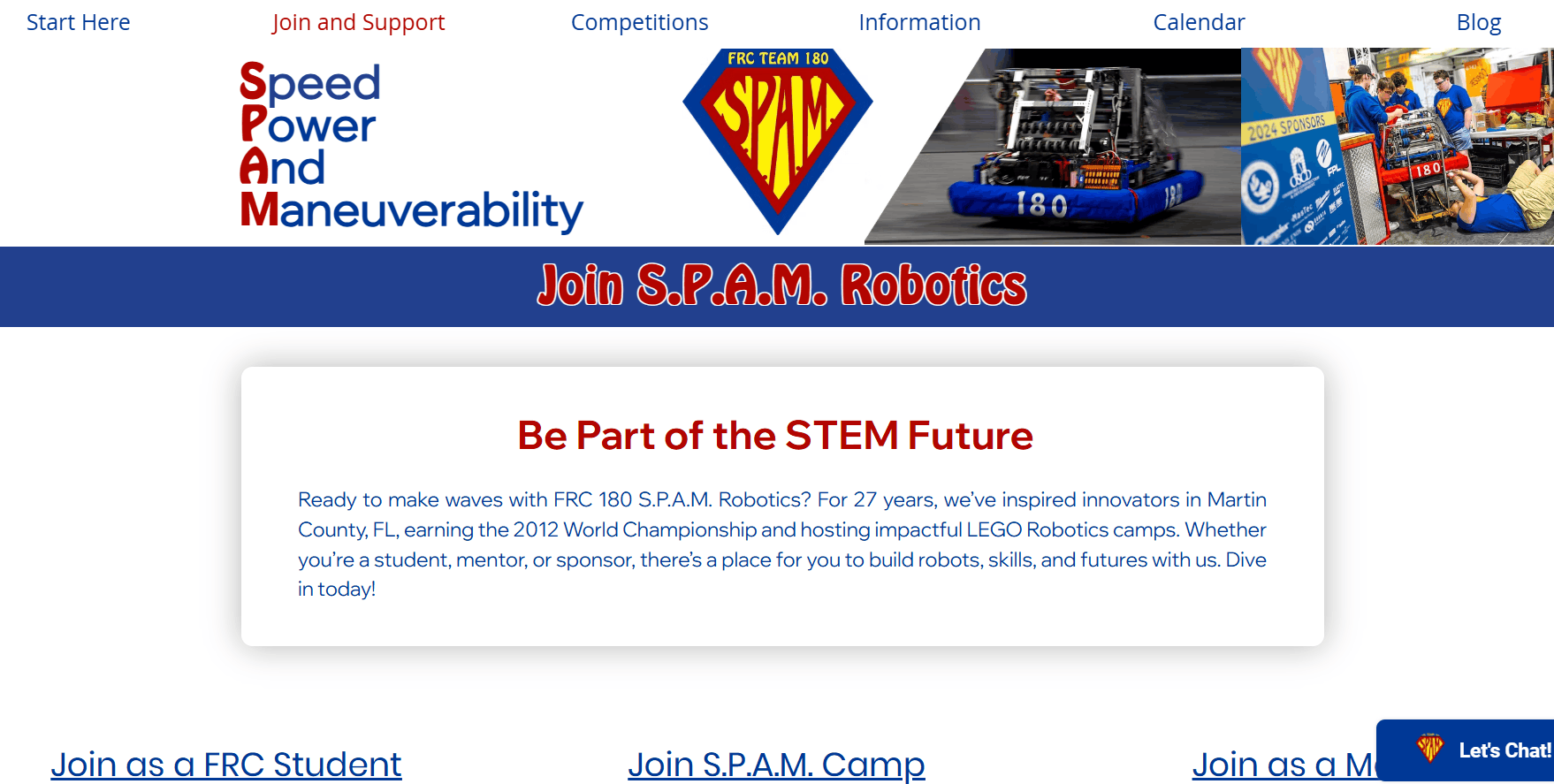
S.P.A.M. Robotics is a Florida-based robotics organization that provides opportunities for students to participate in robotics teams, competitions, and camps.
Its activities include FIRST LEGO League, FIRST Tech Challenge, and FIRST Robotics Competition pathways, allowing students to explore robotics at different levels.
- Location: Stuart, Florida
- Learning format: Robotics teams, camps, and competitions
- Focus: Engineering, robot design, programming, teamwork, and competition
Parents can explore its camp and team opportunities to find an age-appropriate entry point.
What Is the Best Age to Start Robotics?
There is no single perfect age to begin learning robotics. Children can start exploring basic building activities at a young age, while structured programming and electronics can be introduced as their skills develop.
The key is choosing activities that match their developmental stage.
Age group | Suitable learning activities | Skills children can explore |
5-7 years | Simple building kits and basic sequencing | Creativity, patterns, and logical thinking |
7-9 years | Beginner robotics kits and block coding | Basic programming and problem-solving |
10-12 years | Sensors, motors, and more complex builds | Robotics logic, electronics, and debugging |
13-17 years | Advanced robotics, Arduino, Python, and IoT | Engineering concepts, programming, and prototyping |
For example, Moonpreneur’s robotics curriculum includes different learning tiers, beginning with foundation-level activities and progressing toward advanced robotics and IoT projects.
The best approach is to start with your child’s curiosity and gradually increase the complexity of the projects.
Which Course Is Best for Robotics?
The best robotics course depends on what your child wants to learn and how much experience they already have. A beginner may benefit from a program that introduces basic building and block coding, while an older student may be ready for programming, sensors, and electronics.
Before choosing a course, consider these factors:
- Hands-on projects: Children should get opportunities to build and test working models instead of only watching demonstrations.
- Age-appropriate curriculum: The lessons should match the child’s current abilities while offering opportunities to progress.
- Coding and engineering together: A strong robotics course should introduce both programming and the physical components that make a robot work.
- Instructor guidance: Look for experienced instructors who can explain concepts, encourage experimentation, and help children work through challenges.
- Project outcomes: Ask what children will be able to build or demonstrate after completing the program.
A good program should help children move from following instructions to understanding how their designs work and making improvements independently.
What Is Your Next Step?
The right robotics experience can help a child turn curiosity into creativity, technical understanding, and real-world projects. Whether you choose a local Florida robotics team, a university camp, or an online learning program, look for an experience that encourages your child to build, experiment, and think independently.
Explore Moonpreneur’s Robotics Program to discover age-based learning pathways, hands-on kits, and instructor-led projects that can help your child take their first steps toward becoming a young innovator.
Frequently Asked Questions
Some of the best options include Moonpreneur, university robotics camps such as USF’s Brick-by-Brick camp, Cox Science Center’s robotics activities, S.P.A.M. Robotics in Stuart, etc. Families can also explore online robotics classes for kids through programs such as Moonpreneur.
Yes. Florida has robotics teams, science center programs, university camps, and community-based STEM organizations across different regions. Parents can go visit the Moonpreneur website to explore robotics program opportunities to understand more.
Yes. Many beginner robotics classes introduce children to building, simple circuits, and visual or block-based coding before moving to more advanced programming. Children do not necessarily need previous coding experience to get started.
Online robotics classes can be effective when they include live instructor guidance, practical building activities, suitable robotics kits, and opportunities to complete projects. In-person programs may offer more direct access to shared equipment and team activities. The best choice depends on the child’s learning preferences and the quality of instruction.
Robotics coding classes introduce children to programming logic, sequencing, loops, conditions, sensors, motors, and debugging. As students progress, they may explore microcontrollers, Arduino, Python, and more advanced automation projects.
Compare the program’s age range, curriculum, instructor experience, hands-on projects, class format, and opportunities for progression. 95% of Moonprenuer’s students show measurable growth. The best robotics course should encourage children to experiment, solve problems, and create working projects rather than simply follow instructions.