Attend our in-person Robotics & Math


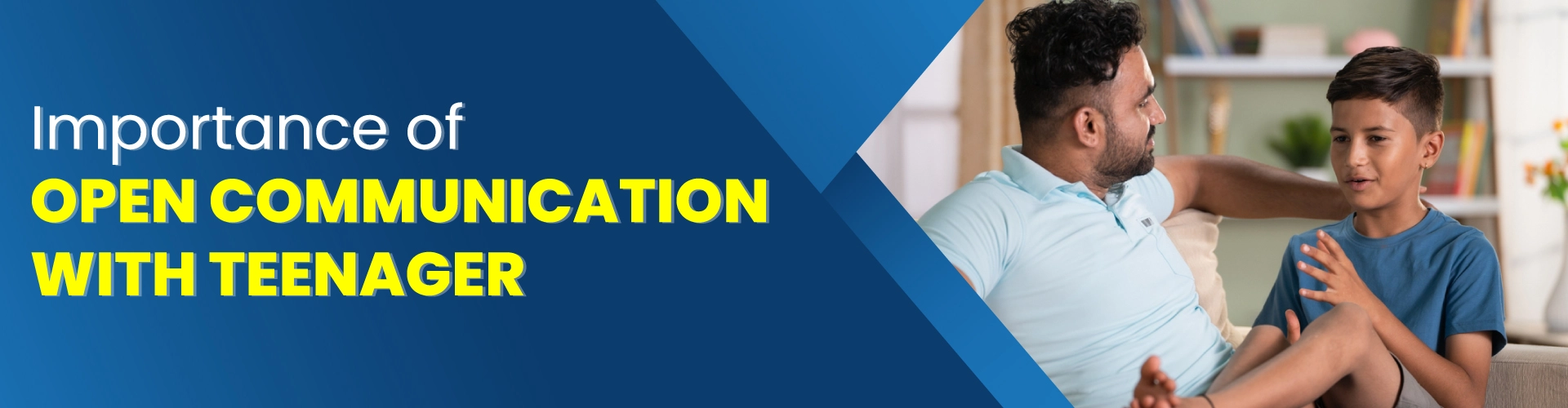


Teens might remind you of those tricky twos! Both ages are full of cool new things your kids are learning, but they can also be bossy, push your buttons, and throw fits. Here’s the thing: at both ages, kids are trying hard to be independent, like they’re the most important person ever. No wonder they act a little crazy sometimes!
According to a study by the American Psychological Association, teens who communicate openly with their parents are more likely to succeed academically and have healthier relationships. As teenagers navigate the complex path from childhood to adulthood, the support and guidance they receive from their parents can make all the difference. This blog explores why open communication with teenagers is essential and offers practical strategies to enhance it.
1. Understanding the Teenage Mind
Teenagers experience significant cognitive, hormonal, and emotional development. The teenage brain is still developing, particularly in areas responsible for decision-making and risk assessment. This development can lead to mood swings and a desire for independence, making open communication challenging. Additionally, social pressures such as peer influence, academic expectations, and the omnipresence of social media can overwhelm teens, further complicating their ability to communicate effectively.
Recommended Reading: NEW YORK UNIVERSITY: RANKING, FEES & ADMISSION 2025
2. Benefits of Open Communication
Building Trust
Open communication fosters a foundation of trust. When teens feel they can talk to their parents without fear of judgment, they are more likely to share their thoughts and concerns.Emotional Support
Adolescence is a time of emotional turbulence. Open lines of communication provide a vital support system, helping teenagers navigate their emotions and stress.Guidance and Advice
Effective communication allows parents to guide their teens through critical life decisions, from career choices to social relationships.Conflict Resolution
Open dialogue helps prevent misunderstandings and resolve conflicts before they escalate. It promotes a healthy way to discuss disagreements and find common ground.3. Barriers to Open Communication
Generation Gap
Differences in experiences and viewpoints between parents and teens can create misunderstandings. Parents may struggle to relate to the modern challenges their teens face.Technology
While technology can facilitate communication, it can also be a distraction. Teens might prefer texting or social media over face-to-face conversations, which can hinder meaningful interactions.Emotional Barriers
Fear of judgment or disappointment can prevent teens from opening up. They may worry about their parents’ reactions to their thoughts and feelings.Parental Challenges
Busy schedules, stress, and other responsibilities can make it difficult for parents to be fully present for their teenagers, affecting the quality of communication.4. Strategies for Enhancing Communication
Active Listening: Being a good listener means giving your full attention, showing empathy, and validating your teen’s feelings. Avoid interrupting or jumping to conclusions.
Creating a Safe Space: Ensure your home is a safe environment where your teen feels comfortable sharing their thoughts. This involves being patient, understanding, and non-judgmental.
Regular Check-ins: Schedule regular, non-intrusive check-ins. These can be casual conversations during meals or dedicated time set aside for discussing how things are going.
Non-Judgmental Attitude: Approach conversations with an open mind and avoid being critical. This helps teens feel respected and understood, encouraging them to be more open.
Encouraging Expression: Support your teen in finding healthy ways to express themselves, whether through writing, art, sports, or other activities they enjoy.
Similar read: STERLING MONTESSORI ACADEMY AND CHARTER SCHOOL
Tips for Open Communication With Your Teen
1. Listen More, Ask Less
If you’re curious about your teen’s life, try listening instead of asking direct questions. Kids are more likely to share if they don’t feel pressured. Even small comments they make are their way of reaching out, so stay open and interested without prying.
2. Show Trust: But be vigilant
Teens want to be taken seriously. Show trust by asking them for favors or giving them privileges. Letting them know you believe in them boosts their confidence. However, it is critical to monitor their activities, behavior, mood swings, etc to stay in control of the situation
3. Explain Rules: But be lenient
Set rules but be ready to explain why they exist. For example, explain why parties on school nights aren’t allowed. Teens are more likely to accept rules if they understand the reasons behind them. Occasionally, you bend the rules to show them they are being heard.
4. Praise Their Efforts
Teens need praise just as much as younger kids. They may act like they don’t care, but they still want your approval. Find opportunities to be positive and encouraging, especially during tough times.
5. Do Things Together
Spend time doing activities you both enjoy, like cooking, hiking, or watching movies. This helps you bond without having to talk about personal issues. It’s important for teens to feel they can be around you without always having to answer questions.
6. Share Regular Meals
Eating together as a family helps you stay connected. Dinner conversations about everyday topics can make teens more comfortable talking about serious issues. Make sure to ban phones at the table.
7. Be Observant
Notice changes in your teen’s mood, behavior, energy, or appetite. If they stop doing things they enjoy or start isolating themselves, ask about it and offer support without judgment. They might need your help or a mental health professional.
Conclusion
Open communication with teenagers is not just beneficial; it is essential. It builds trust, provides emotional support, and helps guide teens through their formative years. By understanding the teenage mind, recognizing barriers, and implementing effective communication strategies, parents can foster a positive and supportive relationship with their teens. Start today by creating a safe space for open dialogue and watch as your relationship with your teenager strengthens and flourishes.
Looking for a comprehensive parenting guide to ensure you are on the right track? Explore a wealth of parenting wisdom and educational insights in Moonpreneur’s blogs. Additionally, you can join our programs that nurture the next generation of innovators. Book a free trial now!