

Millions of people have made the New York Times Games one of their favorite daily brain-boosting activities. These puzzles are a mix of fun, creativity, and strategy. You can wake up excited to solve Wordle, take a quick break with the Mini Crossword, or challenge yourself with Spelling Bee or Connections. These games help a lot of people, including parents, teachers, and even students, from high schoolers to kids in a New York City elementary school, improve their vocabulary, logic, and problem-solving skills.
If you’re new to these puzzles or want to learn smarter ways to solve them, this guide shows you how to do it with the most popular NYT games. It also tells you where to find free New York Times Games every day.
1. What Are The New York Times Games?
The NYT puzzle section includes a variety of challenges designed to sharpen your mind, such as
- Wordle
- Mini Crossword
- Spelling Bee
- Connections
- Sudoku
- Letter Boxed, Tiles, Vertex, and more
Millions of people play these games every day because they are easy to learn but hard enough to keep players interested. Many teachers of elementary schools in New York City use them as warm-up exercises to help students read and think critically.
2. How to Beat the Mini Crossword

The Mini Crossword is perfect for beginners. To improve:
Start With the Easiest Clues
Fill-in-the-blank is usually the quickest win.
Use Cross Letters
If one word is tricky, filling the intersecting words can unlock the answer.
Watch for Common NYT Crossword Words
Examples: era, ale, ode, eel, elm.
3. How to Get to “Genius” in Spelling Bee
The goal of the Spelling Bee is to make as many words as you can with the letters of the day.
Look for Patterns That Are the Same
It’s easy to make new words by adding prefixes and suffixes like re-, un-, -ing, -er, and -ed.
Find the Pangram
A pangram uses every letter at least once, which gives you a big boost in points.
Start with short words.
Begin with words that have four letters and then add more.
4. Strategies to Win NYT Connections
To make connections, you need to put words into groups based on their meanings, themes, or phrases.
Start with the yellow group.
These are the easiest links and help things move forward.
First, figure out what categories you want to use.
Search for things like foods, feelings, colors, tools, phrases, and so on.
Get rid of “trick words.”
Don’t fall for the decoys in NYT too soon.
If you enjoy brain games and exploring fun activities, guides like Top Things to Do in New York – Exploring Upcoming Events can also keep your mind engaged while discovering new things happening around the city.
5. How to Improve at NYT Sudoku
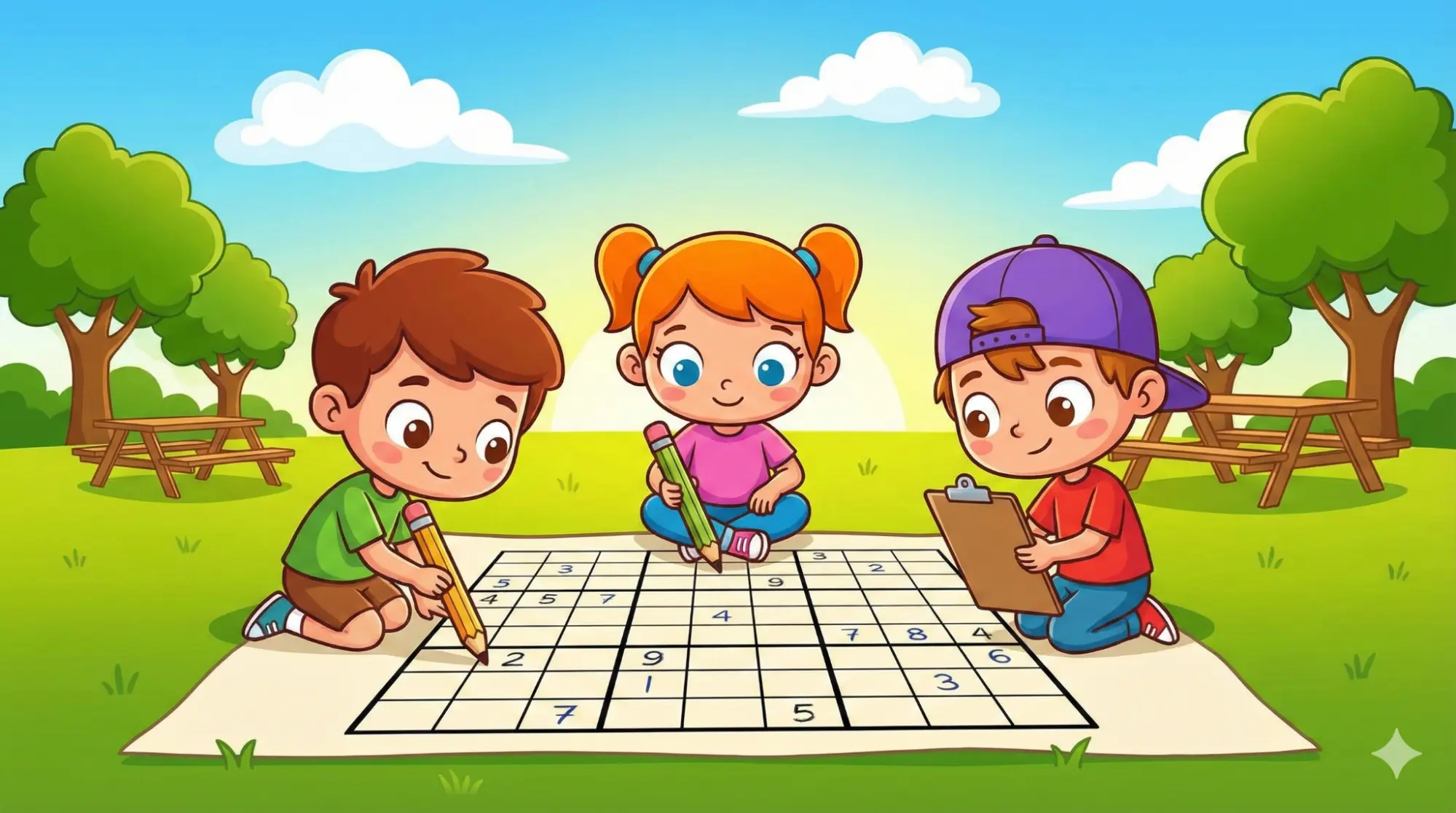
Sudoku is all about logic.
Scan for Singles
Find numbers that can only fit in one spot.
Use Pencil Marks
This helps eliminate possibilities quickly.
Work Box-by-Box
Focus on a 3×3 grid instead of the whole puzzle.
6. Free Ways to Play New York Times Games
People often look for New York Times Games for free, and yes—some games are free every day:
✔ Wordle – always free
✔ Mini Crossword – free daily
✔ Sudoku (Easy) – often free
✔ Vertex – some free puzzles available
Other games (like Spelling Bee or Connections) require a subscription, but free trials are available.
7. Why NYT Games Help Students Too
Teachers across the country—including many in elementary school in New York classrooms—use puzzles as warm-ups to improve:
- Make sure you play regularly, even just for 5 minutes per day!
- Take note of commonly repeated letter patterns among words.
- Research old puzzles from the New York Times.
- Don’t hesitate to begin a new puzzle or restart it if necessary.
- Work on a few easier puzzles first before attempting the more difficult ones.
NYT puzzles are short, engaging, and perfect for building cognitive skills daily.
8. Final Tips to Get Better at NYT Games
- Play consistently—even five minutes helps.
- Study common word patterns
- Look at NYT puzzle archives
- Don’t be afraid to restart or reset.
- Practice with easier versions before moving to harder levels
Conclusion
The New York Times Games provide an enjoyable and significant means of stimulating your brain each morning. You can do these activities wherever you may find yourself; for example, when using public transport (Wordle) or during your lunch break (Mini Crossword) or when spending quality time with family (Connections).
Using the information contained within this guide will allow you to increase your speed, accuracy, and self-confidence while enjoying many of the most popular puzzles on the planet.
Moonpreneur is on a mission to disrupt traditional education and future-proof the next generation with holistic learning solutions. Its Innovator Program is building tomorrow’s workforce by training students in AI/ML, Robotics, Coding, IoT, and Apps, enabling entrepreneurship through experiential learning.