Attend our in-person Robotics & Math



Start Homeschooling in Florida: Your First 30 Days
When you start homeschooling in Florida, the first month brings a lot of small decisions. Which form do you file first? Where do you keep your records? Who do you call when week one doesn’t go the way you planned? This Florida homeschool guide walks you through the first 30 days, so you know what to do and when.
You’ve chosen your program. You understand the requirements. Now it’s time to actually start.
Your Launch Checklist
The first month sets your foundation. Here’s what to prioritize based on your chosen path:
For Home Education Families:
- Step 1: Submit your Notice of Intent to your local school district (you have 30 days, but earlier is better)
- Step 2: Set up your portfolio system—digital folder, binder, or app—whatever you’ll actually maintain
- Step 3: Choose your annual evaluation method so you know what you’re working toward
- Step 4: Start teaching and logging activities
For Umbrella School Families:
- Step 1: Complete enrollment with your chosen private school
- Step 2: Review their specific attendance and recordkeeping policies
- Step 3: Gather required documents like immunization records
- Step 4: Follow their academic calendar and reporting schedule
For Private Tutor Families:
- Step 1: Hire a Florida-certified teacher for your grade level
- Step 2: Establish the 180-day instructional schedule
- Step 3: Confirm record-keeping responsibilities with your tutor
See What Your Child Can Build. Book a FREE trial now

Florida Homeschool Requirements at a Glance
A quick recap helps before you begin. The Florida homeschool requirements for home education families come down to four items: file a notice of intent within 30 days, keep a portfolio for two years, complete an annual evaluation, and file a termination notice when you finish. Umbrella schools follow their own policies, and private tutors follow the 180-day standard.
The homeschool requirements in Florida stay light on purpose. The law doesn’t ask for teaching credentials, a state-approved curriculum, or a minimum number of hours, so most of your effort goes into staying organized.
Your Florida Homeschool Guide to the First 30 Days
Whichever path you choose, the same rhythm helps. Take the month one week at a time, and you won’t feel buried by it.
Before week one, gather a few details so nothing stalls you. Home education families need each child’s full name, birthdate, and home address for the notice of intent, and some district forms also ask for the name of the school your child is leaving. Umbrella schools typically ask for attendance and immunization records. Put these in one folder now, and the paperwork takes minutes instead of days.
Week 1: Finish the paperwork. Complete your filing or enrollment first. Filing in week one is the easiest way to start homeschooling in Florida with confidence, because it gives you a clear start date, and that date also sets your annual evaluation anniversary. Save a copy of everything you send.
Week 2: Build a routine you can keep. Pick a start time, a learning space, and a pace that fits your household. Florida sets no minimum hours for home education students, so you can begin with two or three focused hours a day and adjust as you learn what works for your child.
Week 3: Start your records. Write down what your child does each day, including the titles of the books and materials you use. Florida’s portfolio rules call for a log you keep as you teach, plus samples of your child’s work, so a habit of daily notes saves you a scramble later.
Week 4: Review and connect. Look back at what worked and what didn’t, and adjust your plan. Then do the thing most new families put off: attend one local event and meet other parents.
Choosing a Homeschool Curriculum in Florida
Curriculum is the part most new parents worry about, and Florida makes it simpler than you’d expect. The state doesn’t require a standard curriculum or a particular educational background for parents, so you pick what fits your child, whether that’s a boxed program, an online course, or a mix of resources.
Picking a homeschool curriculum in Florida is easier when you start with your child’s learning style and your daily schedule, not the longest list of options. Umbrella schools may set curriculum policies of their own, so check with the school before you buy anything. Start with a core set of subjects, try it for a few weeks, and swap out whatever isn’t working.
Ages 3 to 5: Choosing a Homeschool Preschool Curriculum
Do you have a younger child at home? Florida’s compulsory attendance starts in the school year your child turns 6 by February 1, according to HSLDA, so the home education rules don’t cover preschool. That freedom lets you build early learning around play.
A homeschool preschool curriculum works best when it stays short, hands-on, and flexible: read-aloud time, counting games, art, music, and outdoor play. Save a few photos and work samples along the way, because they make a good starting point when your child begins formal lessons.
Common Mistakes in the First Month (and How to Avoid Them)
Most problems new families run into are small, and each one has a simple fix.
- Waiting on the notice of intent. Thirty days pass faster than it sounds, especially while you’re choosing materials. Put the filing on your calendar for week one so it doesn’t slip.
- Guessing at the rules. The homeschool requirements in Florida are simple, but districts post their own forms and deadlines, so check your county’s home education page before you file.
- Buying too much curriculum. A shelf full of programs adds pressure without adding progress. Choose one option for each subject and give it time.
- Skipping support. Doubts tend to show up in the first month. Join one group early so you have someone to ask when a day goes sideways.
That’s the practical side. But here’s what many new homeschoolers don’t expect: you’ll need support.
See What Your Child Can Build. Book a FREE trial.
You Don’t Have to Homeschool Alone
Personalized education doesn’t mean isolated education. Florida has a thriving homeschool community ready to welcome you.
State-Level Organizations
- Florida Parent-Educators Association (FPEA) is your go-to for legal support, curriculum advice, and an incredible annual convention. They’re also your advocacy voice when homeschool legislation comes up.
- Florida Homeschooling offers FAQs, legal updates, and community directories organized by region.
Local Groups and Co-ops
This is where real friendships form. Local groups offer:
- Weekly co-op classes taught by parent volunteers
- Field trips and park days
- Testing services for annual evaluations
- Emotional support when you’re doubting yourself at 2 PM on a Wednesday
Start here:
- Homeschool-Life Florida Directory – searchable by zip code
- Tallahassee Homeschool Group – North Florida families
- Suncoast Homeschoolers – Tampa Bay area, secular and inclusive
You don’t have to commit on the first visit. Try one event, talk with a few parents, and see how your child responds. If the first group doesn’t feel right, try another.
Why Community is Important
You’ll find curriculum recommendations from parents who’ve tested everything. You’ll discover which museums offer homeschool discounts. You’ll meet families whose kids become your kids’ closest friends.
Plus, homeschooling can feel lonely on hard days. Having people who understand makes all the difference.
You also have a lot of company. The Florida Department of Education reports that 152,871 students from 114,370 families took part in home education programs in 2024-25. When you start homeschooling in Florida, that community gives you people who have already solved the problems you’re facing.
What are your Your Next Steps?
File that paperwork. Join one local group. Show up to one event.
You’re not just starting homeschool. You’re joining a movement of families who believe education can look different, and better.
Homeschooling in Florida FAQs
When should I file my notice of intent?
Where do I find the official rules?
Which curriculum do I have to use?
Do I need a preschool curriculum?
Do I have to join a co-op during the first month?
This guide offers general information, not legal advice. Check current requirements with your local school district before you start.
Ready to Fill Your Homeschool Week?
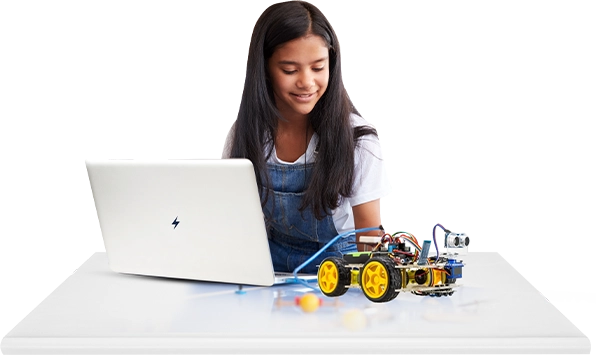
Once you start homeschooling in Florida and settle into a routine, you’ll want learning your child gets excited about. Moonpreneur is an approved Step Up For Students provider, and eligible Florida families can apply scholarship funds toward live, project-based STEM programs for kids ages 6 to 15, including Robotics, Advanced Math, STEM Speech & Debate, Game Development, and SAT Math.
See What Your Child Can Build. Book a FREE trial today!