Attend our in-person Robotics & Math



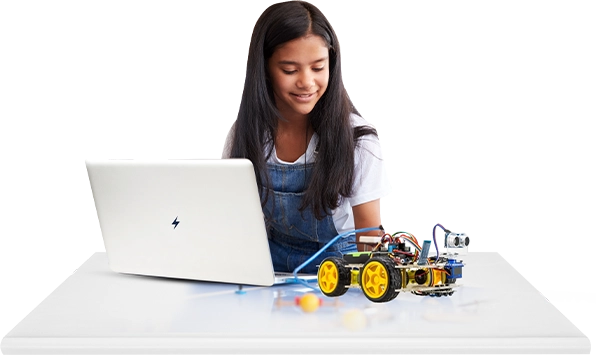

Homeschool in Florida laws are refreshingly straightforward. No teaching credentials required. No state-approved curriculum. No minimum hours per day.
But there are specific boxes to check, and knowing them upfront saves headaches later. This checklist covers each one, the laws behind them, and the updates that matter as you plan for the 2026-2027 school year and beyond. Read along to know more about it.
Homeschooling for Florida Students: Which Ages the Law Covers
Parents often ask when the rules start to apply, and the answer depends on your child’s age. Florida requires children to attend school or follow the homeschool law beginning in the school year they turn 6 by February 1, and the requirement continues until age 16 or high school graduation, according to HSLDA.
So homeschooling for Florida students legally covers roughly ages 6 to 16, although many families keep learning at home before and after that window.
Florida Homeschooling Checklist: The Four Core Requirements
Homeschooling in Florida comes down to 4 steps: file a notice of intent, keep a portfolio, arrange an annual evaluation, and show regular progress without counting seat time. Each step takes less effort than most parents expect, and the state gives you plenty of choice in how you complete them.
You also have plenty of company on this path. The Florida Department of Education reports that 152,871 students from 114,370 families took part in home education programs in 2024-25, and many districts post their own forms and deadlines online, so check your county’s home education page before you start.
1. Notice of Intent

Within 30 days of starting homeschooling, file a written notice with your local school district. This one-time form includes basic information: your name, your child’s name, birthdate, and address.
That’s it. No approval needed. You’re simply informing them of your decision.
2. The Portfolio
Keep an ongoing record of your child’s educational journey in the form of digital portfolio like several students at Moonpreneur. This includes:
- A log of learning activities and field trips
- Samples of written work and completed projects

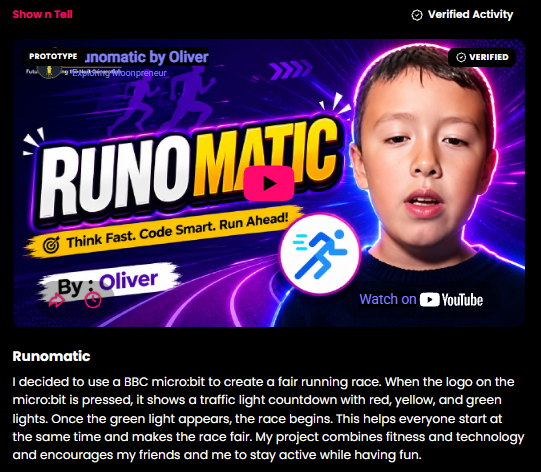
The image above shows one of Moonpreneurs’ students completed projects, in his digital portfolio.
- Any additional materials showing educational progress
You won’t submit this regularly, but districts can request to review it with 15 days’ notice. Most families never receive a request, but the law requires you to maintain it. Keep records for at least two years.
3. Annual Evaluation

Each year, on your Notice of Intent anniversary, submit proof of educational progress. You have several options:
- Portfolio review by a certified Florida teacher
- Nationally norm-referenced standardized test
- State assessment
- Psychological evaluation
- Another method you and the district agree upon
Choose what works for your family. Many homeschoolers rotate methods year to year.
4. Attendance Tracking

Now this is where Florida gets flexible: there’s no specific day or hour requirement for home education students.
Your child just needs to show regular educational progress through the annual evaluation. No counting seat time or logging 180 days like traditional schools.
Explore Moonpreneur’s ESA programs and see which one fits your child.
What You Don’t Need for Florida Homeschooling
Let’s clear up some misconceptions:
- No teaching certification
- No state-approved curriculum
- No standardized testing schedule (beyond the annual evaluation)
- No home visits or inspections
Florida Homeschooling Laws: What the Statutes Say
Home education runs under Section 1002.41 of the Florida Statutes, which defines it as sequentially progressive instruction that a parent directs. The Florida Department of Education confirms that the law doesn’t require a particular educational background for parents or a standard curriculum, so you decide what and how your child learns.
You have two other legal routes if the paperwork feels like too much. A private school umbrella program lets you teach at home while the school handles the reporting, and a certified private tutor can instruct your child for 180 days a year. Homeschool co-ops offer classes and community, but they don’t count as a legal path on their own, so you still need one of these three routes.
Please keep in mind that some districts add their own rules. Broward County, for example, reviews portfolios monthly for students with a prior pattern of public school non-attendance. If your child recently left a public school, ask your district’s home education office what applies to you.
Home education also keeps doors open for older students. The Department of Education notes that home education students may take part in dual enrollment and may qualify for Florida Bright Futures.
Latest Updates on Homeschooling 2027-2028 in Florida: What Parents Need to Know
Florida hasn’t announced changes to the notice of intent, portfolio, or annual evaluation rules for homeschooling in Florida in 2027-2028, so the checklist above still applies. Three developments do deserve your attention.
Extracurricular access. Senate Bill 538 became Chapter 2026-93 after the Governor approved it on May 22, 2026, and it took effect on July 1, 2026. The Florida Home Education Foundation summarizes the rewrite this way: home education and Personalized Education Program (PEP) students may take part in any school’s extracurricular activity in their district when their own school doesn’t offer it, and trying out doesn’t guarantee a spot on the team.
The same summary says districts can’t charge home education students fees that public school students don’t pay, and that a student who plays sports at one school stays with that school for the rest of the year. Because that summary comes from an advocacy group, read the final law or ask your district before you plan around it.
Scholarship funding. The Personalized Education Program gives families an education savings account if their child doesn’t attend public or private school full time. Applications for 2026-27 closed on April 30, 2026, and Step Up for Students hasn’t posted 2027-28 dates yet, although families can sign up for updates. PEP students count as scholarship students and not as home education students, so weigh the reporting rules on both sides before you switch.
Enrollment counts. The Johns Hopkins Homeschool Research Lab found that Florida’s homeschool numbers dipped 1.7% in 2024-25, but the state no longer counts students who use the education savings account as homeschooled, so the drop likely understates how many families learn at home.
Your Homeschool Checklist at a Glance
Print this list and tick off each item as you go:
- Confirm your child’s age falls within the 6 to 16 range
- File your notice of intent with the district within 30 days
- Start a learning log and a folder for work samples on day one
- Pick your evaluation method and mark your anniversary date on the calendar
- Save a copy of every filing for your own records
- File a notice of termination with a final evaluation when you finish
Short as it looks, this list covers everything the law asks of you.
When You’re Done Homeschooling: Next Steps
Planning to return to public school, move counties, or your child is graduating? Submit a notice of termination within 30 days, along with your final annual evaluation.
For high school graduates, include a copy of the final assessment with your termination notice.
Florida’s requirements respect your role as educator while ensuring accountability. File your intent, keep records, evaluate annually, and you’re compliant.
The rest? That’s up to you.
Download Notice of Intent templates and find your district contact at the Florida Department of Education.
Florida Homeschooling FAQs
Do I need to be a certified teacher to homeschool in Florida?
What ages does Florida's homeschool law cover?
How many hours or days do I have to teach?
Do I have to submit my portfolio every year?
Can my homeschooled child play sports or join clubs at a public school?
Can I use scholarship funds for my homeschool?
This guide offers general information, not legal advice. Check current requirements with your local school district before you start.
Ready to Make Your Homeschool Week More Hands-On?
Once your paperwork is in place, the next question for any family homeschooling in Florida is what your child will actually build and learn each week. Moonpreneur is an approved Step Up For Students provider, and eligible Florida families can apply scholarship funds toward live, project-based STEM programs for kids ages 6 to 15, including Robotics, Advanced Math, STEM Speech & Debate, Game Development, and SAT Math.
Explore Moonpreneur’s ESA programs and see which one fits your child.