


 Attend our in-person Robotics & Math


In an era dominated by social media, broken commitments, and widespread corruption, possessing a high emotional intelligence quotient (EQ) is more crucial than ever.
Unlike IQ, which measures cognitive abilities, EQ assesses your ability to understand and manage emotions. High emotional intelligence can lead to better relationships, improved mental health, and increased productivity.
In this blog, we’ll explore the signs of high emotional intelligence and how these traits can benefit your personal and professional life.
Recommended Reading: Emotional Intelligence Habits to Boost Your EQ Today
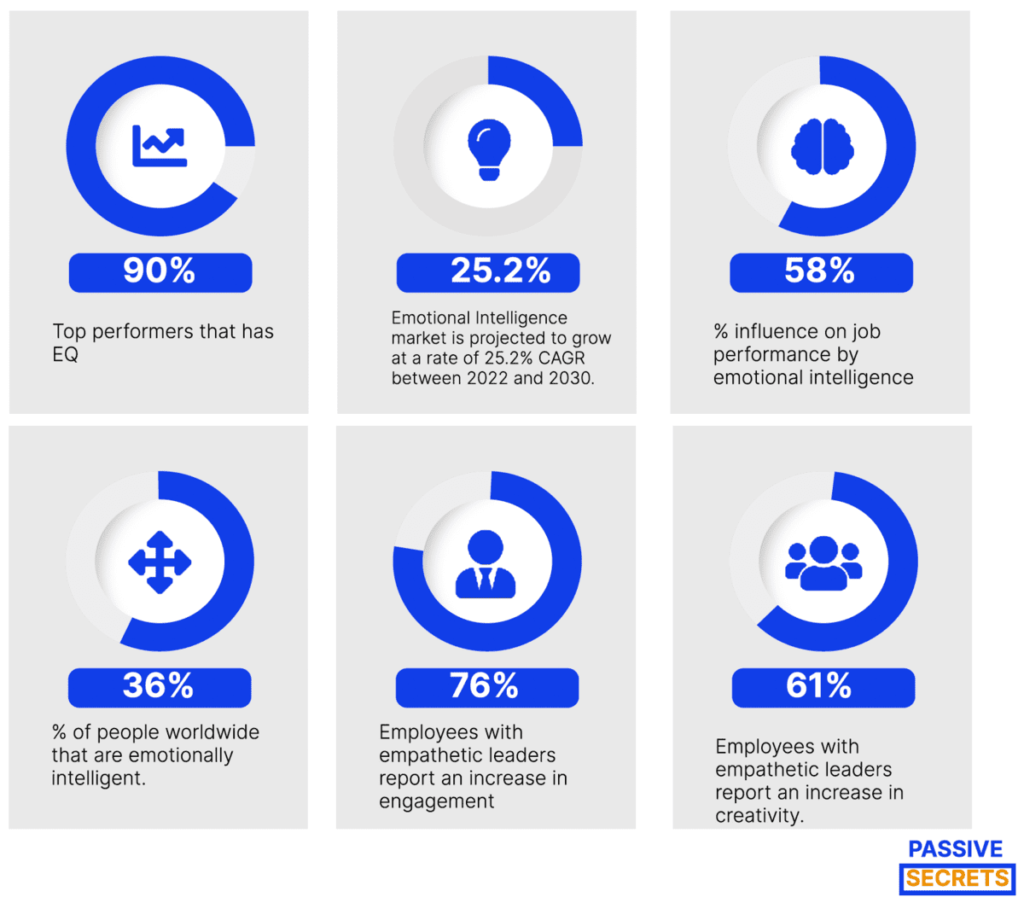
Employees led by empathetic leaders exhibit higher performance levels, engagement, and creativity compared to those with less empathetic leaders.
Notably, the Intelligent Quotient (IQ) accounts for only 20% of success, with social and emotional intelligence being the primary determinants. In the restaurant industry, managers with high emotional intelligence drive a 22% annual profit growth.
Additionally, people in the HR industry boast the highest EQ scores, averaging 76. Emotional intelligence is responsible for over 60% of personal and professional achievements. Interestingly, while 95% of people believe they are self-aware, only 10-15% truly are.
Understanding Emotional Intelligence
Emotional intelligence encompasses the ability to:
- Recognize and understand your own emotions
- Manage your emotions effectively
- Recognize and understand the emotions of others
- Use emotional understanding to navigate social complexities5
Key Signs of High Emotional Intelligence
Self-Awareness
Sign: You have a clear understanding of your strengths and weaknesses. Self-awareness involves recognizing your emotions and their impact on your thoughts and behavior. Those with high EQ are introspective and understand how their emotions influence their actions.
Self-Regulation
Sign: You manage your emotions in healthy ways. Self-regulation entails controlling impulsive behaviors and managing emotions constructively. Individuals with high EQ stay calm under pressure and handle stressful situations with composure.
Motivation
Sign: You are driven by internal goals and personal satisfaction. High EQ individuals are motivated by personal growth and achievement rather than external rewards. They set high standards for themselves and are resilient in the face of setbacks.
Empathy
Sign: You understand and share the feelings of others. Empathy allows you to connect with others on an emotional level. Those with high EQ can sense what others are feeling and respond appropriately, building strong interpersonal relationships.
Social Skills
Sign: You manage relationships effectively and navigate social networks with ease. People with high emotional intelligence have excellent social skills. They communicate, manage conflicts effectively, and are adept at building and maintaining relationships.
Traits of Highly Emotionally Intelligent People
Emotional Resilience
High emotional intelligence includes emotional resilience, or the ability to recover from setbacks and manage negative emotions. Those with high EQ can maintain their composure and continue to function effectively under stress.
Emotional Regulation
People with high EQ can manage, regulate, and control their emotions. This ability helps them avoid impulsive reactions and maintain emotional balance in challenging situations.
Self-awareness and Self-Knowledge
Highly emotionally intelligent individuals are aware of their emotions and how they influence their behavior. They also possess deep self-knowledge, an understanding of their strengths, weaknesses, values, and triggers.
Empathy and Social Awareness
Empathy, a key component of high EQ, involves understanding and sharing the emotions of others. Social awareness extends this by recognizing and responding to the needs, emotions, and behaviors of others.
Communication and Interpersonal Skills
Effective communication is a hallmark of high emotional intelligence. People with high EQ communicate clearly and appropriately for the situation. They also possess strong interpersonal skills, making them adept at navigating social interactions.
Conflict Management
Emotionally intelligent individuals can detect, manage, and resolve conflicts effectively. They use their emotional awareness and regulation skills to navigate emotionally charged situations and maintain harmony.
High Emotional Intelligence Book
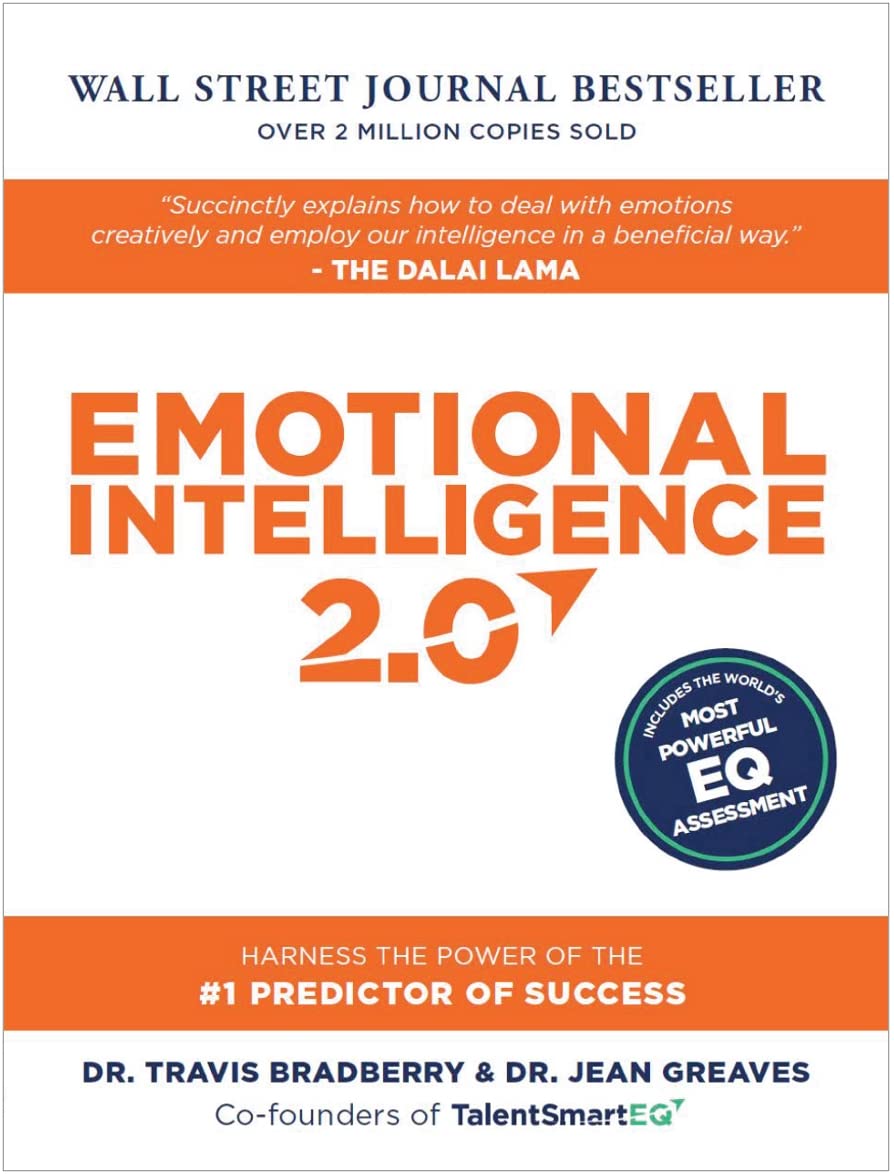
In today’s fast-paced world of competitive workplaces and turbulent economic conditions, each of us is searching for effective tools to manage, adapt, and excel. Emotional intelligence (EQ) is well-established as crucial for success, but understanding what EQ is and knowing how to leverage it to enhance your life are two very different things. “Emotional Intelligence 2.0” offers a step-by-step program to boost your EQ through four core skills—self-awareness, self-management, social awareness, and relationship management—enabling you to reach your highest potential. This book is designed with a singular goal: increasing your EQ. As the Dalai Lama says, “Emotional Intelligence 2.0 succinctly explains how to deal with emotions creatively and employ our intelligence in a beneficial way.”
Place to buy this book: Amazon
Price on Amazon: $13
Recommended: Top Emotional Intelligence Books
Developing High Emotional Intelligence
Practice Mindfulness
Mindfulness involves staying present and fully engaging with the current moment. Regular mindfulness practice can enhance your self-awareness and self-regulation skills.
Reflect on Your Emotions
Take time to reflect on your emotional experiences. Journaling can be a helpful tool to explore your emotions and understand how they influence your behavior.
Seek Feedback
Ask for feedback from trusted friends, family, or colleagues. Understanding how others perceive you can provide valuable insights into your emotional intelligence.
Improve Your Communication Skills
Effective communication is key to building strong relationships. Practice active listening, assertive communication, and conflict resolution techniques.
Develop Empathy
Put yourself in others’ shoes to understand their perspectives. Volunteer work and reading literature that explores diverse human experiences can help cultivate empathy.
Conclusion
High emotional intelligence is essential for navigating the complexities of life and building meaningful relationships. By recognizing the signs of high EQ and taking steps to develop these traits, you can enhance your personal and professional life. Start your journey towards higher emotional intelligence today and experience the positive impact it can have on your overall well-being.
Looking for a comprehensive parenting guide to ensure you are on the right track? Explore a wealth of parenting wisdom and educational insights in Moonpreneur’s blogs. Additionally, you can join our programs that nurture the next generation of innovators. Book a free trial now!












While it gives a good overview of emotional intelligence, I feel it could have gone deeper into specific real-life examples of how to improve EQ in everyday situations. For instance, in my son’s school, teachers take kids out to the zoo where they learn about animals, and emotions of empathy are developed.
These are essential skills, especially when it comes to managing stress and building strong relationships—the part about self-regulation and staying composed during challenging situations. In a world full of distractions and challenges, managing emotions effectively is definitely a game-changer for success in both work and personal life.