
California’s climate, beaches, and technology innovations may draw tourists, but the public education system is also one of its strong points. There are more than 1,400 middle schools located throughout California, educating over 1.2 million students in grades 6-8. These middle schools provide a variety of educational experiences to students in a time of their life when they are developing personally, academically, and creatively.
Many California middle schools have a high degree of access to STEAM programs (Science, Technology, Engineering, Arts and Math), as well as resources for English Language Learners and students who have Special Needs. These school districts’ curricula include Advanced Math classes, Robotics and Coding clubs, opportunities for Performing Arts, integrated digital learning experiences, and other learning experiences that will prepare students for High School and beyond.
When families are looking for the Best Middle Schools in California, they consider a number of factors: School Culture; Community Involvement and Preparing for Future Academic Challenges. These Middle Schools are located in communities with plenty of Things to Do in California, such as Science Museums, Cultural Centers, Outdoor Education Facilities, and Community Programs that enhance the student experience outside of school.
This 2026 list features ten Middle Schools who stand out in relation to learning environment, student support, and community engagement.
How These Schools Were Reviewed and Ranked
- To create a list using a review-based ranking format, the following criteria were used to evaluate each school.
- The Student-Teacher Ratio was important because smaller ratios allow for a more personalized education experience.
- Total Enrolment is considered to ensure that each school has a balanced number of students for both the ability to provide ample resources as well as an adequate level of individual attention.
- Academic Environment focuses on availability of advanced courses, enrichment opportunities and support programs (i.e. after school tutoring).
- Community & Location is important because access to libraries, parks, museums and other educational resources are critical to student success.
- Finally, Overall Stability of School was assessed so that only stagnant schools are included on this list and ensure there is strong community participation and involvement.
1. San Jose’s Joaquin Miller Middle School
Joaquin Miller Middle School is in the center of San Jose and has more than 1,000 students. The student-to-teacher ratio is 22:1. The school is close to Silicon Valley, where innovation and academic focus are part of the culture. This is good for the school. Students here usually go to school in a structured way, with access to technology-based learning and a wide range of extracurricular activities.
You can read more about this school here.
2. Rancho San Joaquin Middle School in Irvine
Irvine is known for its well-planned neighborhoods and strong public schools. Rancho San Joaquin Middle School is in this city. The school has 878 students and a 25:1 student-teacher ratio, which means that it offers a good mix of academics and enrichment programs. Families like that Irvine is a safe place to live, has parks, and has educational resources that help kids learn outside of school.
You can read more about this school here.
3. Hilton D. Bell Intermediate School in Garden Grove
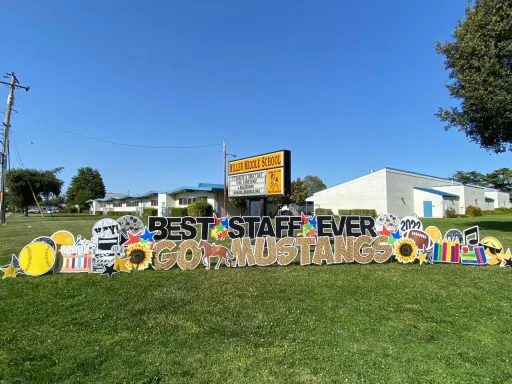
Hilton D. Bell Intermediate has a smaller student body of 608, which helps make the school community more close-knit. The 23:1 student-teacher ratio makes it possible for students and teachers to interact regularly. The school is in Garden Grove, which is a city with a lot of different cultures. It gives students a supportive place to learn and grow academically and socially.
You can read more about this school here.
4. Coronado Middle School in Coronado
One of the smallest student-to-teacher ratios on this list is 19:1 at Coronado Middle School. The school has 631 students and focuses on personalized learning and building strong relationships between teachers and students. The fact that it is on the coast makes it even more appealing because it gives students access to outdoor activities and a community that values both health and education.
You can read more about this school here.
5. San Clemente’s Bernice Ayer Middle School
There are 878 students at Bernice Ayer Middle School, and there is one teacher for every 20 students. The school is in San Clemente, which is a family-friendly coastal area. Parents often value the balance between schoolwork and extracurricular activities, which keeps students interested during middle school.
You can read more about this school here.
6. Clovis’s Alta Sierra Intermediate School
Alta Sierra Intermediate is one of the bigger schools on this list. It has about 1,355 students and a 23:1 student-to-teacher ratio. The school is in Clovis and serves a growing community. It offers a wide range of academic programs. Because it is so big, it has a wide range of electives, sports, and student groups that support different interests and ways of learning.
You can read more about this school here.
7. Long Beach’s Rogers Middle School
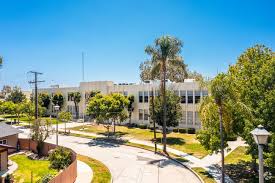
There are 778 students at Rogers Middle School, which has a 25:1 student-teacher ratio. Students in Long Beach benefit from living in a city where they can go to cultural institutions, libraries, and community programs. The school helps students do well in school while also encouraging them to try new things and be creative.
You can read more about this school here.
8. Sacramento’s Miwok Middle School
There are 1,184 students at Miwok Middle School, and there is one teacher for every 27 students. The school is in the capital city of California and is close to museums, historical sites, and government buildings that can help students learn. The larger campus has a lot of different programs to meet the needs of all the students.
You can read more about this school here.
9. Wilmington’s Harry Bridges Span School
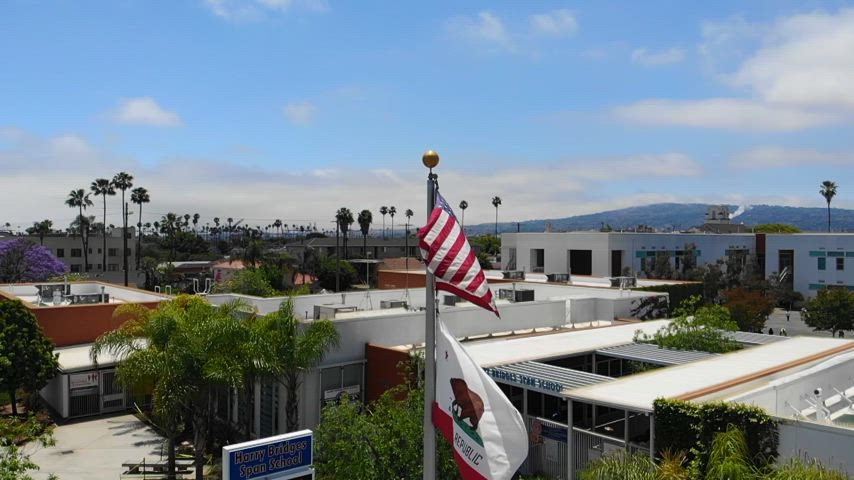
There are 1,203 students at Harry Bridges Span School, and the student-teacher ratio is 21:1. The school is in Wilmington and focuses on giving students a strong academic foundation while also helping them through programs in the community. Its size makes it possible to have structured learning with chances for students to get involved and get help.
You can read more about this school here.
10. Chatsworth’s Ernest Lawrence Middle School

There are 1,072 students at Ernest Lawrence Middle School, and there are 22 students for every teacher. The school is in Chatsworth in the San Fernando Valley. It is in a suburban area and has access to regional educational resources. Families often like how the school balances academics, extracurricular activities, and student growth.
You can read more about this school here.
The Importance of Middle Schools to Families
The selection of middle schools in California is based not just on statistics. Indicators such as student/teacher ratio, enrollment figures, and proximity to home are all factors that affect a child’s experience in school. In addition to classroom learning, these schools offer many activities that enhance student learning and wellness with the surrounding communities’ parks, libraries, cultural sites, and many other family-friendly Things to Do in California.
Conclusion
For California families, there are many opportunities to benefit educationally and through lifestyle. The 2026 list is a reference tool to assist parents to locate middle schools with positive learning atmospheres, academic rigor, and a supportive environment to help their children succeed during this period of their lives. By evaluating the attributes of each of these schools carefully, parents will be able to select the middle school that will help support their child’s development during this vital period of their education.
Moonpreneur is on a mission to disrupt traditional education and future-proof the next generation with holistic learning solutions. Its Innovator Program is building tomorrow’s workforce by training students in AI/ML, Robotics, Coding, IoT, and Apps, enabling entrepreneurship through experiential learning.