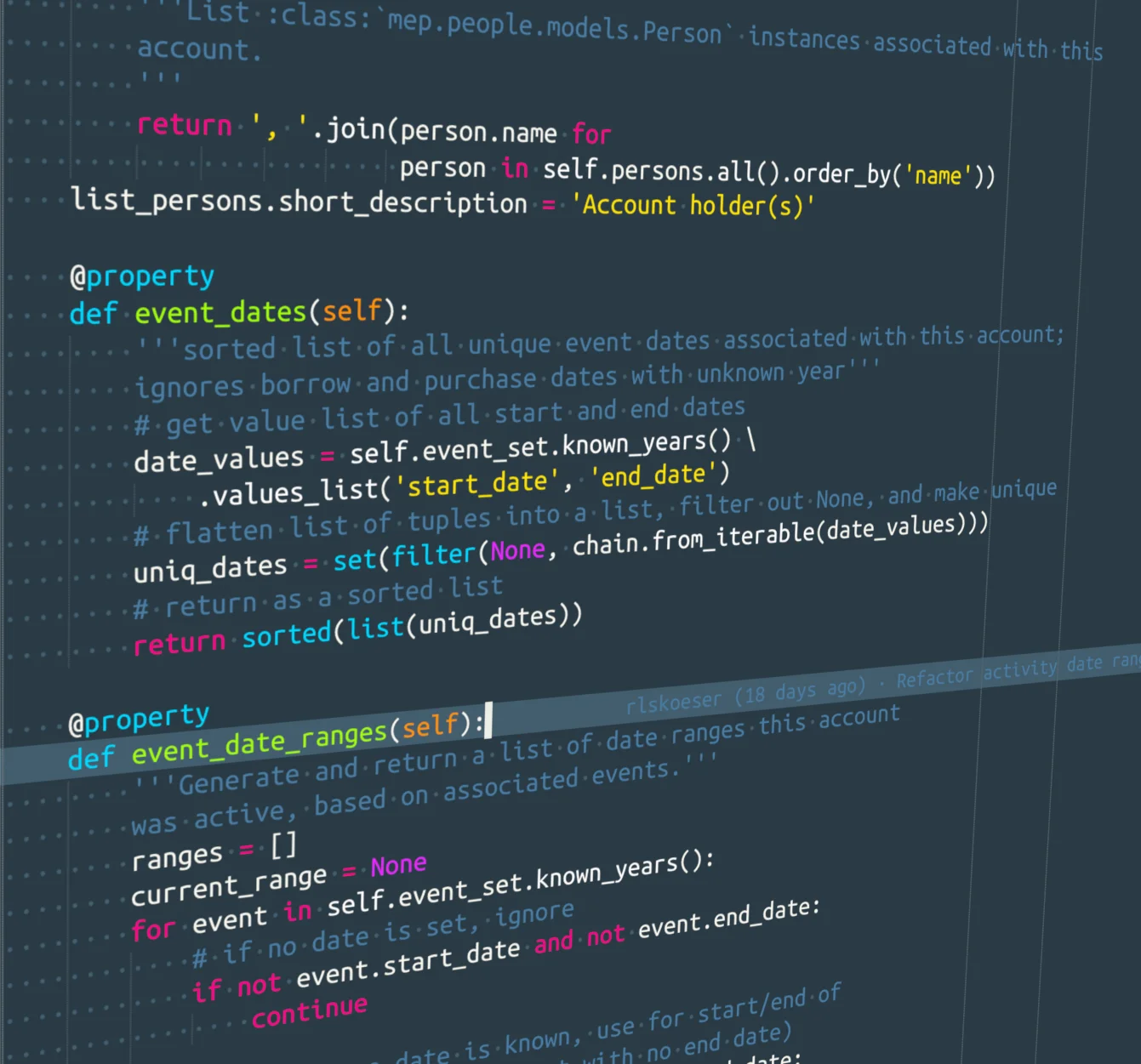




Once you’ve learned the fundamentals like variables, loops, and functions, the next step is moving to higher-order concepts like:
- Efficient use of data structures and algorithms
- Clean and maintainable code through design patterns
- Building real-world applications
- Optimizing performance
- Understanding software architecture
- Debugging and testing like a pro
Advanced coding isn’t just about writing more lines of code — it’s about writing smarter, faster, and scalable code. And the good news? You can learn these skills using online resources that are flexible and often free!
Recommended Reading: Coding Course for Commerce Students – Boost Your Career with Programming
1. Start With a Strong Foundation
Before diving into advanced topics, you need a solid base:
- Be confident with at least one language (like Python, JavaScript, or Java)
- Understand basic constructs: variables, loops, functions, classes
- Know how to debug simple problems
Once the basics are clear, advancing becomes much easier. This sets the stage for deeper learning.
2. Take Structured Online Courses
Online courses are one of the best ways to level up because they are organized, progressive, and often include projects and assessments.
👉 Look for courses on platforms like:
- Coursera
- Moonpreneur
- edX
- Udacity
- Pluralsight
- LinkedIn Learning
- Udemy
Recommended Reading: Best Coding Websites For Kids
These courses take you step-by-step into advanced topics like:
✔ Object-oriented and functional programming
✔ Software design principles
✔ Advanced algorithms and optimization
✔ Databases and system design
✔ Concurrency and asynchronous programming
Most of these courses let you learn at your own pace, revisit tough lessons, and get hands-on assignments to practice.
3. Practice With Interactive Coding Platforms
Theory is great — but coding is learning by doing.
Platforms that challenge your logic and technique:
- LeetCode — excellent for algorithms and interview prep problems
- HackerRank, Codeforces — contests and problem sets
- CodeChef — coding challenges and community contests
- Project Euler — math-based problems that build problem-solving skills
These sites don’t just teach syntax — they sharpen your reasoning and help you think like a software engineer. Participating consistently builds your confidence and helps you tackle real-world problems.
4. Build Real Projects
Projects are where real learning happens.
Here’s the secret: You don’t truly know something until you’ve built something with it.
Projects help you:
✅ Apply concepts in context
✅ Face unexpected bugs (great learning!)
✅ Understand project structure
✅ Build a portfolio you can show to employers
Examples of project ideas:
- A personal website with a backend API
- A to-do app with a database
- A responsive e-commerce site
- A game (like Snake or Tetris)
- A data-visualization dashboard
Break projects into small tasks — it makes them easier and keeps you motivated.
5. Read & Explore Official Documentation
This is a powerful but often overlooked skill.
Documentation isn’t boring; it’s the truth about how tools are meant to be used.
When you read docs for things like:
📌 React, Angular
📌 Python libraries (e.g., NumPy or Django)
📌 Java standard library
📌 Browser APIs (via MDN Web Docs)
…you get the exact, up-to-date usage straight from the creators.
As you level up in coding, referring to documentation becomes second nature — and your code quality improves.
6. Understand Advanced Concepts
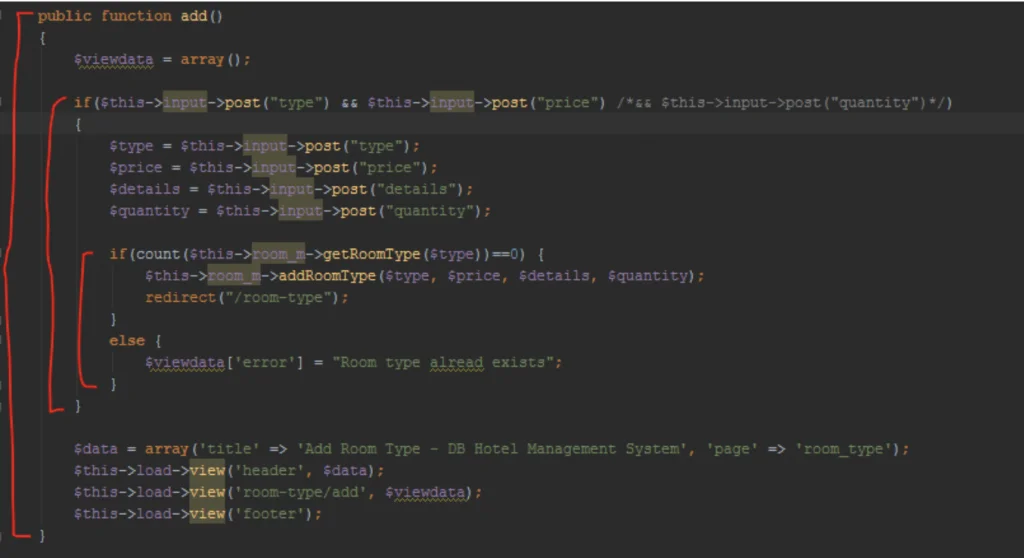
As you progress, it’s time to learn deeper ideas like:
📌 Data Structures & Algorithms
Advanced coding requires solid knowledge of:
- Trees, Graphs, Heaps
- Sorting & Searching
- Dynamic Programming
- Greedy Algorithms
These make your programs efficient and scalable.
📌 Design Patterns
Patterns like Singleton, Factory, Observer help you write clean, reusable code — particularly in larger applications.
📌 Concurrency & Parallelism
Multithreaded apps and asynchronous programs are critical in high-performance systems.
📌 Testing & Debugging
Learn how to write automated tests (like using Jest, PyTest) and debug confidently to catch issues early.
Recommended Reading: Top Coding Project Ideas For Beginners
7. Join Online Coding Communities
Coding doesn’t have to be lonely!
Communities are where you:
🔹 Ask questions
🔹 Get feedback
🔹 See different approaches
🔹 Network with other programmers
Useful communities include:
- Stack Overflow
- Reddit’s r/learnprogramming
- GitHub
- Discord coding groups
- LinkedIn developer groups
These platforms help you learn from real people and real problems.
8. Do Code Reviews & Peer Programming
Working with others helps you see code through different lenses.
Code reviews teach you:
✔ Best practices
✔ Ways to simplify logic
✔ Performance insights
✔ Better documentation habits
Pair programming and open-source contributions are excellent ways to do this.
9. Take Part in Coding Competitions
Challenges push you beyond comfort.
- Timed contests improve speed and accuracy
- Real problems sharpen thinking
- Exposure to new techniques
Contests also help you build a ranking and track progress — especially useful if you’re preparing for technical interviews.
Platforms hosting competitions:
🎯 HackerRank
🎯 Codeforces
🎯 CodeChef
🎯 LeetCode
Programming competitions make learning fun and competitive.
10. Treat Learning as a Long-Term Journey
Advanced coding isn’t mastered in a few weeks. It’s a journey with:
✔ Practice
✔ Mistakes
✔ Debugging
✔ Growth
Be patient and consistent. Even spending 30–60 minutes daily beats random, infrequent learning.